

Views: 0 Author: Site Editor Publish Time: 2025-10-03 Origin: Site


Cable reels are crucial tools in various industries, offering a practical solution for managing cables, wires, and rods during tasks like inspections, maintenance, and installations. They help keep cables organized, prevent tangling, and enable quick deployment and retrieval. Cable reels are essential in sectors such as plumbing, construction, electrical, and telecommunications, where managing long cables or rods is necessary for accessing hard-to-reach areas.
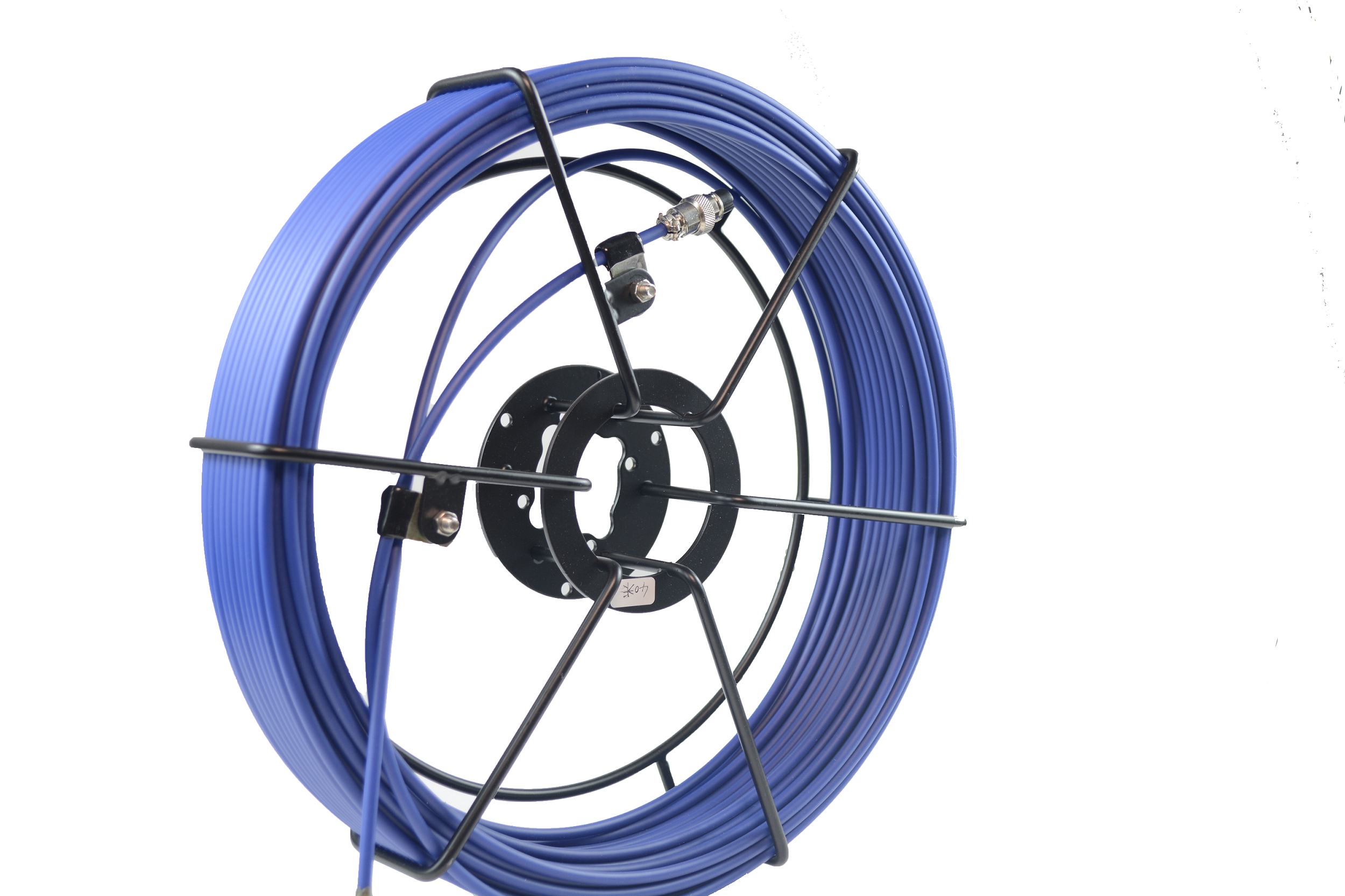
One type of cable reel widely used in plumbing is the fiberglass push rod cable reel. These reels use fiberglass rods, known for their flexibility, strength, and resistance to environmental factors. They're especially useful for sewer inspection cameras and pipe inspection cameras, allowing professionals to navigate tight pipes and sewer lines easily. The durability and lightweight nature of fiberglass rods make them ideal for deep plumbing inspections, ensuring efficiency and safety.
Various types of cable reels, including fiberglass push rod models, are tailored for specific needs. Heavy-duty reels may be used for industrial applications, while smaller, flexible reels serve residential inspections. Each reel is designed to optimize performance for its intended application, ensuring tasks are completed effectively and accurately.
Cable reels are devices used to wind, store, and deploy cables or rods in an organized manner. They help keep cables tangle-free, protected, and easily accessible for use in various industries. Cable reels prevent wear and tear from improper storage, making them essential for handling long cables or push rods.
These reels allow users to deploy the required length of cable with ease and retract it when not in use, improving efficiency and safety during operations. They are widely used in fields like plumbing, construction, telecommunications, and electrical work.
Cable reels ensure that cables are stored properly, preventing damage like kinks or frays. Proper storage reduces the risk of breakage and ensures cables remain functional for longer. Reels also enhance safety by minimizing hazards caused by tangled or disorganized cables, which can lead to accidents or operational inefficiencies.
Cable reels can handle a variety of cables, including:
Electrical Cables: Used in construction and power distribution, these reels handle heavy-duty cables to ensure they are easily managed and deployed.
Communication Cables: Essential in telecommunications, these reels prevent tangling of data, coaxial, or fiber optic cables.
Push Rods: In plumbing, fiberglass push rods are used for pipe inspections. Fiberglass push rod cable reels allow plumbers to efficiently manage and deploy these rods during inspections.
Description: A fiberglass push rod cable reel is designed to hold and deploy fiberglass push rods, which are commonly used in pipe inspections. These reels are lightweight and durable, providing an efficient way to manage the push rods used in plumbing and sewer inspection tasks.
Key Features:
Lightweight: Easy to handle, especially in tight or remote spaces.
Durable: Designed to withstand harsh conditions and frequent use.
Flexibility: Allows easy maneuvering around tight corners and bends in pipes.
Corrosion Resistance: Ideal for use in wet and corrosive environments, such as plumbing and sewer inspections.
Applications:
Plumbing: Used by plumbers for pipe inspection and drain cleaning tasks.
Sewer Inspection: Essential for navigating sewer systems to identify issues like blockages, leaks, or corrosion.
Other Industries: Used in various industries that require push rod systems, such as underground utility inspections and maintenance work.
Description: Steel cable reels are traditional and robust reels designed to handle steel cables, which are typically used in heavy-duty operations. They offer superior durability and strength.
Key Features:
Durability: Resistant to wear and tear, perfect for heavy-duty use.
Strength: Handles heavy cables and provides secure storage for large volumes of cable.
Applications:
Industrial Environments: Commonly used in industries such as construction, manufacturing, and energy.
Heavy-Duty Work: Ideal for environments where cables need to be deployed and retracted frequently under challenging conditions.
Description: Plastic cable reels are lightweight and affordable options made from various plastics, commonly used for lighter cable management needs.
Key Features:
Cost-Effective: More affordable compared to metal reels.
Rust and Corrosion Resistance: Suitable for environments where exposure to moisture or chemicals is common.
Applications:
Light-Duty Use: Ideal for smaller cables or residential settings, including electrical and networking cables.
Medium-Duty Applications: Used in less demanding industrial or commercial environments.
Description: These cable reels feature motorized mechanisms that allow for automatic deployment and retrieval of cables, minimizing manual labor and enhancing efficiency.
Key Features:
Motorized Operation: Provides ease of use, especially in environments requiring frequent cable management.
Convenience: Reduces downtime and manual effort, ensuring faster operations.
Applications:
Construction Sites: Frequently used to deploy and retract power cables or other utility cables.
Broadcasting: Ideal for setting up and managing cables during live events, TV production, or radio broadcasting.
Heavy Industrial Applications: Used in sectors that require regular and rapid cable deployment, such as manufacturing plants or electrical substations.
Each type of cable reel serves a specific purpose, with features tailored to the needs of different industries, from light residential use to heavy industrial and commercial environments. Whether it's for managing fiberglass push rods, steel cables, or even automated systems, selecting the right reel ensures efficient, safe, and reliable operations.
The material impacts performance, longevity, and weight:
Fiberglass: Lightweight, corrosion-resistant, and flexible, ideal for plumbing and sewer inspections where maneuverability through tight spaces is essential.
Steel: Strong and durable, perfect for heavy-duty, industrial applications that demand high strength over time.
Plastic: Lightweight and cost-effective, suited for lighter-duty tasks, resistant to rust and corrosion but less durable than metal.
Ensure the reel can handle the necessary cable length and weight:
Cable Length: Choose a reel with sufficient capacity to hold the length needed for your job (e.g., several hundred feet for sewer inspections).
Cable Capacity: The reel should be able to support the weight of the cable, especially for heavier-duty cables in industrial settings.
Ease of use is crucial for efficiency:
Manual vs. Powered Reels: Manual reels require more physical effort, while powered reels automatically retract and deploy the cable, reducing labor for frequent or long-distance tasks.
Reel Design: A well-designed reel with comfortable handles, smooth rotation, and secure locking mechanisms enhances usability.
Portability: Consider if the reel needs to be lightweight for easy transport or more stable for larger cables, with options like wheels or collapsible designs for easier mobility.
The reel’s environment dictates its suitability:
Outdoor Use: For outdoor applications, choose weather-resistant reels that can withstand exposure to rain, UV rays, and temperature changes. Fiberglass and plastic are ideal for such conditions.
Indoor Use: Indoor environments may prioritize portability and cost-efficiency, where plastic reels are often a good fit.
Chemical Resistance: In certain industries, reels must resist chemicals or abrasive substances. Fiberglass and plastic tend to offer good resistance, while steel may need protective coatings for chemical environments.
Fiberglass push rod reels are lighter, corrosion-resistant, and more flexible, making them ideal for tight spaces and inspections. Steel cable reels are stronger and more durable but are heavier and may be less suitable for sensitive or tight areas.
Yes, fiberglass push rod cable reels are versatile and can be used in both residential plumbing applications (like sewer inspections) and industrial settings, depending on the specific reel design and rod length.
With proper care and maintenance, fiberglass push rod cable reels can last for many years, with resistance to corrosion being one of their key advantages over steel reels.
Fiberglass push rod cable reels can be more expensive than plastic reels, but they offer greater durability and are often more cost-effective in the long run due to their extended lifespan and ability to resist environmental wear.
In conclusion, cable reels come in various types, each designed for specific applications. Fiberglass push rod cable reels are particularly well-suited for tasks such as plumbing and sewer inspections, offering flexibility, corrosion resistance, and durability in challenging environments. Steel cable reels provide maximum strength for heavy-duty industrial use, while plastic reels offer lightweight and cost-effective solutions for lighter-duty tasks.
Choosing the right cable reel is essential for ensuring efficient operation and optimal performance in your specific environment. By considering factors such as material durability, cable length, and the application environment, you can select a reel that meets both your immediate and long-term needs. The fiberglass push rod cable reel stands out for its ability to navigate tight spaces, resist environmental damage, and enhance overall inspection efficiency, making it an excellent choice for professionals in the plumbing and sewer industries, particularly when long-lasting and reliable performance is crucial.


