

Views: 0 Author: Site Editor Publish Time: 2026-03-30 Origin: Site


When people first hear about pipe inspection equipment, one of the most common practical questions they ask is whether a sewer camera can go through a toilet. It is a reasonable question because toilets are one of the most direct access points into a home’s drain system. If there is a blockage, bad odor, recurring backup, or suspected pipe damage, many homeowners and even some contractors wonder whether they can simply remove the toilet or use the toilet drain as an entry point for inspection. The short answer is yes, a sewer camera can go through a toilet in many cases, but whether it should depends on the camera size, the pipe layout, the condition of the line, and the operator’s experience. In some situations, going through a toilet is an effective way to inspect the drain line. In others, it may be less efficient or less safe for the equipment than using a cleanout or another direct access point. A sewer drain camera is designed to travel through pipelines and help users visually inspect hidden conditions inside the drain or sewer line. However, not every camera is suitable for every access point. Toilets have bends, trapways, and porcelain surfaces that can create challenges during camera insertion. This means success depends not only on the equipment itself but also on how the inspection is performed. In this article, we will explain whether a sewer camera can go through a toilet, when it makes sense, what limitations to consider, and what users should know before attempting this type of inspection.
Yes, in many situations a sewer camera can go through a toilet, especially if the toilet is removed first and the camera is inserted directly into the toilet flange or drain opening. This is often more practical than trying to push the camera through the toilet bowl itself. Once the toilet is out of the way, the camera has a straighter path into the drain line, which reduces the risk of equipment damage and makes the inspection more effective. Some smaller inspection cameras may also be able to pass through the toilet opening without removing the toilet, but this depends heavily on the design of the toilet and the diameter and flexibility of the camera head and push rod. Toilets are not straight channels. They contain internal curves that are designed to hold water and create a seal against sewer gases. These curves can make camera passage more difficult than many people expect. So while the answer is yes, the better answer is that a sewer drain camera can often inspect through a toilet connection, but the exact method matters.
There is an important difference between going through the toilet bowl and going through the toilet drain line. Passing a camera through the actual bowl and trapway is usually more difficult because the camera has to navigate tight turns and delicate porcelain surfaces. This approach may work with very compact and flexible equipment, but it is not always ideal. Removing the toilet first is usually the better option. Once the toilet is removed, the operator can place the sewer camera directly into the drain opening. This gives better control, reduces friction, and lowers the chance of scratching the toilet or forcing the camera through an awkward angle.
In some homes, there may not be an easily accessible cleanout nearby. In that case, the toilet may be one of the most convenient ways to reach the branch line or even part of the main sewer line. This is especially true when troubleshooting a blockage that seems to be connected to bathroom drainage. A sewer drain camera used through a toilet access point can help identify clogs, root intrusion, scale buildup, foreign objects, cracked lines, or misaligned joints. For plumbing professionals, this can be a fast and effective inspection route when other entry points are limited.
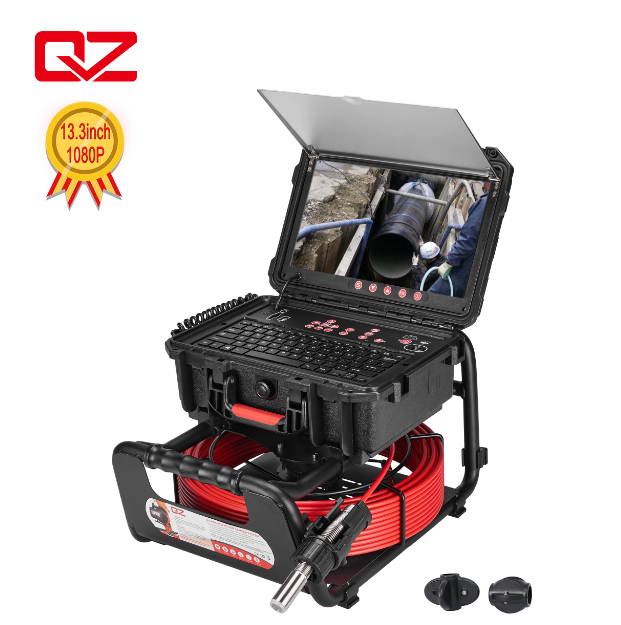
A sewer camera system typically includes a waterproof camera head, LED lights, a push rod, and a monitor for viewing live footage. During inspection, the camera is fed into the drain line, and the operator watches the video in real time to identify what is happening inside the pipe. When using a sewer camera near a toilet connection, the operator must consider the pipe diameter, the angle of entry, and the possibility of obstructions close to the bathroom branch. The camera is often used to inspect past the immediate bathroom line and further into the larger drainage system.
A sewer drain camera can reveal many common drainage problems. These include grease or waste buildup, paper blockages, small foreign objects, tree root intrusion, cracked pipe walls, offset joints, standing water, corrosion, and collapsed sections. In a toilet-related inspection, the camera may also help determine whether the problem is local to the toilet drain or part of a larger sewer issue. This is valuable because toilet backups can be misleading. Sometimes the problem is very close to the fixture, but in other cases the toilet is simply the first place where a deeper sewer line issue becomes visible.
Clear imaging is especially important when inspecting through a toilet connection because the path may include bends, moisture, waste residue, and areas with limited visibility. A high-quality sewer camera with strong lighting and stable image transmission can make a major difference in inspection accuracy. Poor image quality may make it difficult to distinguish between temporary buildup and structural pipe damage. That is why professional-grade equipment is usually preferred for this kind of work.
There are several situations where using a sewer drain camera through a toilet can be practical and worthwhile.
Not all properties have a convenient cleanout access point. In older homes, access may be limited or hidden. In those cases, removing a toilet can provide a relatively direct path into the drain system.
If the toilet backs up repeatedly, flushes poorly, or causes gurgling in nearby fixtures, the issue may be in the immediate branch line or nearby section of the drain. A sewer camera can help confirm whether the problem is close to the bathroom or farther down the system.
A camera inspection through the toilet drain can help determine whether the line needs simple cleaning, snaking, hydro jetting, spot repair, or more extensive sewer work. This reduces guesswork and supports more accurate repair planning.
Although it is possible, this method does have limitations. Users should not assume that every sewer camera will move through a toilet easily.
Toilets are designed with built-in curves that help form a water seal. These curves can make it difficult for larger camera heads or stiffer push rods to pass through smoothly. Even if the pipe beyond the toilet is large enough, the toilet itself may be the most restrictive part of the path.
Trying to push a camera through the bowl without proper care can scratch the porcelain or damage the equipment. A rigid or poorly controlled sewer drain camera may also get hung up in the trapway, which creates frustration and possible repair costs.
Even when the camera enters successfully, the angle may not be ideal for advancing deeper into the line. A cleanout usually provides a more direct route, while a toilet connection may involve sharper turns. This can limit the inspection distance or reduce maneuverability.
If the toilet line is fully blocked by waste, paper, scale, or a foreign object, the camera may not be able to pass through until the obstruction is partially cleared. In those situations, the line may need cleaning before inspection can continue.
In most cases, yes. Removing the toilet before inserting a sewer camera is the preferred method when using that access point. It provides a straighter and more controlled entry into the drain and avoids many of the problems associated with feeding the camera through the bowl and trapway.
Removing the toilet reduces the number of bends the camera must navigate right away. It also helps protect the porcelain and gives the operator better alignment with the drain line. For professional plumbers, this is usually the safer and more efficient approach.
If the camera is very compact and flexible and the inspection is limited to a short section, it may sometimes be possible to work through the toilet without removing it. Even then, this should be done carefully and usually by someone with experience using a sewer drain camera.
Camera size plays a major role in whether toilet access will be successful. Smaller camera heads are generally better for tight bends and branch lines, while larger cameras are often designed for main sewer lines and larger pipe diameters.
A compact sewer camera is more likely to handle the turns associated with toilet connections. It can move through tighter spaces and is better suited to indoor drain inspections.
Larger systems may provide better image quality and stronger push capability over long distances, but they are not always suitable for entering through a toilet. If the goal is to inspect a main sewer line from a toilet access point, the operator must balance camera size with maneuverability.
It can be done, but it is not always ideal for inexperienced users. Operating a sewer drain camera requires patience, control, and some understanding of drain system layout. Without experience, a DIY user may misinterpret what appears on the screen or may struggle to move the camera correctly through the line.
A beginner may have trouble knowing whether the camera is stuck because of a bend, a blockage, or a damaged section of pipe. They may also push too hard and risk damaging the equipment or fixture. Interpreting camera footage also takes practice, especially in lines with water, debris, or reflective surfaces.
Professional plumbers know how to choose the right access point, how to guide the sewer camera, and how to interpret what they see inside the pipe. They can also pair camera inspection with locating tools and repair planning, which makes the inspection more useful overall.
Using a toilet access point can still provide valuable diagnostic information, especially when the issue is near the bathroom or within the connected sewer line.
Sometimes the camera reveals that repeated toilet problems are simply caused by a blockage of waste, paper, or hygiene products that should not have been flushed.
Children’s toys, wipes, sanitary products, and other unexpected items can become lodged in the drain line. A sewer drain camera helps confirm the cause before unnecessary repair work begins.
If the toilet is backing up because of a deeper sewer problem, the camera may reveal tree roots, cracks, misaligned joints, or pipe collapse further down the line. This kind of direct evidence is essential for planning the correct repair.
Yes, a sewer camera can go through a toilet connection, and in many cases it is an effective inspection route. However, the best practice is usually to remove the toilet first and insert the camera directly into the drain opening rather than forcing it through the toilet bowl and trapway. This improves access, protects the fixture, and gives the camera a better path into the line. A sewer drain camera is valuable because it turns hidden drainage problems into visible information. Whether the issue is a clog, root intrusion, pipe crack, or offset joint, camera inspection helps reduce guesswork and leads to faster, more accurate decisions. If toilet access is the most practical route, the right camera system and proper operating method can make the inspection highly effective.
Whether inspecting through a toilet, a cleanout, or another drain access point, the quality of the inspection equipment matters greatly. A reliable sewer camera should offer clear imaging, durable construction, stable signal performance, and practical field usability. Tight access points such as toilet-connected drains demand especially good camera design, flexibility, and operator control.
As a professional manufacturer in the field of industrial inspection camera systems, QYTeco focuses on developing practical and cost-effective solutions for users worldwide. With more than 16 years of industry experience, QYTeco offers a wide range of inspection products, including sewer drain cameras, borescopes, videoscopes, and other CCTV inspection systems. The company emphasizes ergonomic product design, strict quality control, modular structure, and long-term maintenance support. In addition to lifetime product maintenance and one-year warranty service, QYTeco also provides professional technical support and OEM/ODM customization solutions. For customers who need reliable inspection performance and long-term value, QYTeco aims to deliver not only equipment, but also a complete solution.
Sometimes yes, but it depends on the size and flexibility of the camera and the design of the toilet. In most cases, removing the toilet first is safer and more effective.
A cleanout is usually the better option because it provides a more direct path into the drain or sewer line. A toilet access point is useful when no convenient cleanout is available.
Yes, it can happen if the camera is too large, too rigid, or forced through the toilet trapway improperly. That is one reason many professionals remove the toilet before inspection.
A sewer camera can help find clogs, foreign objects, root intrusion, cracked pipes, misaligned joints, and other drainage problems depending on how far into the line the camera can travel.
Homeowners can use one in some situations, but professional inspection is often more reliable. Experienced operators are better at guiding the camera and accurately interpreting what they see inside the pipe.


