

Views: 0 Author: Site Editor Publish Time: 2026-03-30 Origin: Site


Sewer line problems are some of the most frustrating and expensive issues that homeowners, plumbers, property managers, and contractors can face. A drain may move slowly, a pipe may clog again and again, foul odors may come from the system, or sewage may even back up into the building. In many cases, the root cause is hidden underground or behind walls, which makes it difficult to diagnose the problem accurately without damaging the property. That is why visual pipe inspection technology has become increasingly important in modern plumbing and pipeline maintenance. A sewer camera allows users to inspect the inside of pipes without blind digging or unnecessary dismantling. By inserting a waterproof camera into the sewer line, users can see the actual condition of the pipeline in real time. A sewer drain camera can reveal blockages, grease buildup, tree root intrusion, corrosion, cracks, pipe misalignment, and collapsed sections. This makes troubleshooting faster, more accurate, and more cost-effective. So, are sewer cameras worth it? In most situations, yes. For professionals, they are often essential tools that improve efficiency, reduce guesswork, and support better service quality. For property owners, they can prevent costly repairs by identifying hidden issues before they become major failures. Still, the value of a sewer camera depends on the user’s needs, budget, and expected frequency of use. In this article, we will take a closer look at what sewer cameras do, why they matter, and whether investing in one is the right decision.
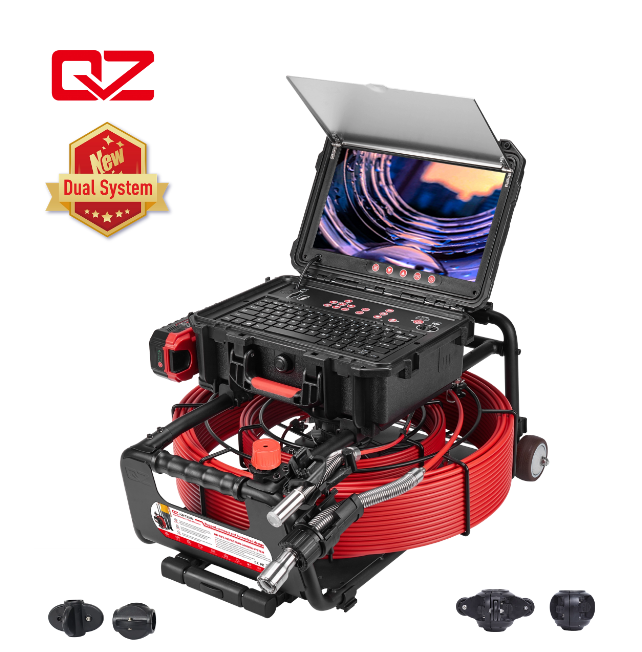
A sewer camera is a specialized inspection device used to examine the inside of pipes, drains, and sewer lines. It usually consists of a waterproof camera head, LED lighting, a flexible push rod, a monitor, and a recording system. The operator inserts the camera into the line and pushes it forward while watching live video on the screen. This allows hidden problems inside the pipe to be identified directly rather than guessed from surface symptoms. Sewer cameras are used in many industries, including residential plumbing, commercial maintenance, municipal sewer inspection, industrial pipeline testing, and trenchless rehabilitation. Because sewer systems are usually underground and difficult to access, a visual inspection tool is one of the most practical ways to understand what is happening inside.
A standard sewer camera system includes several key parts. The camera head must be waterproof and durable enough to travel through wet, dirty, and often harsh pipe environments. It is commonly equipped with bright LED lights so the operator can see clearly even in dark pipelines. The push rod or cable must be flexible enough to go through bends but strong enough to move through long stretches of pipe. The monitor is another important part of the system. It displays the live inspection image and, in many models, allows users to record videos or capture photos for later review. More advanced systems may also include self-leveling functions, distance counters, sonde transmitters, and HD image output. These features make a sewer drain camera even more useful for professional inspection work.
In a typical inspection, the operator inserts the camera into a cleanout, drain opening, or access point. As the camera moves through the pipe, the image is transmitted back to the display screen. The operator can then observe the inside wall of the pipe and identify blockages, damage, or structural defects. If the system includes a locator, the exact underground position of the camera head can also be tracked from above ground. This is especially valuable when repairs are needed, because it helps reduce unnecessary excavation and pinpoints the exact problem area.
Without visual inspection equipment, diagnosing sewer line problems is often based on symptoms alone. A recurring blockage, for example, could be caused by grease buildup, root intrusion, a damaged pipe, a sagging section, or even a foreign object stuck in the line. These problems often create similar warning signs, yet they require very different solutions. In the past, plumbers often had to rely on trial and error. They might clean a drain, wait to see if the problem returned, and then try another method if the symptoms continued. In some cases, excavation was recommended without full certainty about the cause or exact location of the defect. This approach could waste time, money, and labor.
A slow drain does not always mean a simple clog. It may indicate partial collapse in the pipe, a buildup of sludge, misaligned joints, or a deeper obstruction further down the line. Bad smells may come from trapped waste, cracked pipes, or improper venting. Frequent backups could point to a local blockage or a major sewer line defect. Because so many issues can look the same from the outside, it is difficult to make the right repair decision without seeing inside the pipeline. This is one of the strongest reasons a sewer camera is worth considering.
When technicians do not have a clear view inside the pipe, repairs may be delayed or misdirected. A property owner may pay for repeated cleaning services when the real problem is a broken sewer line. A contractor may excavate in the wrong place because the defect was not accurately located. These mistakes increase costs and reduce efficiency. A sewer drain camera helps avoid this by turning hidden problems into visible information. Once the real issue is seen, the repair plan becomes more accurate and practical.
The biggest reason people invest in sewer cameras is the value they provide in daily work. They do not simply show the inside of a pipe. They improve diagnosis, reduce uncertainty, and make maintenance decisions more reliable.
A sewer camera gives direct visual evidence of what is happening inside the pipe. Instead of assuming whether there are roots, corrosion, cracks, or grease buildup, the operator can confirm the condition immediately. This leads to more precise repair recommendations and fewer costly mistakes.
Finding underground pipe problems manually can take a long time. With a sewer camera, the operator can inspect the line much faster and identify the problem during the same visit. This saves time for both the technician and the customer.
One of the greatest advantages of a sewer drain camera is that it supports nondestructive inspection. Instead of digging up landscaping, floors, or walls just to locate a pipe issue, the camera can often find the problem through an existing access point. This minimizes damage and preserves the property.
Although a sewer camera requires an initial investment, it often lowers long-term costs. It helps prevent repeated service calls, reduces unnecessary excavation, and identifies issues before they become major failures. For professionals, it also improves labor efficiency and increases job profitability.
Customers are more likely to trust repair recommendations when they can see the problem for themselves. Video footage from a sewer camera provides clear proof of the issue, whether it is root intrusion, a cracked pipe, or a heavy blockage. This improves transparency and makes communication easier.
For the average homeowner, buying a sewer camera may or may not be practical depending on the situation. If the tool will only be used once, renting or hiring a professional inspection service may make more sense. However, for homeowners with older properties, repeated drainage problems, large land areas, or multiple buildings, a sewer camera can be very useful.
A homeowner may benefit from a sewer camera if the property has recurring sewer issues, large underground drain systems, or expensive landscaping that should not be disturbed unnecessarily. It can also be valuable before purchasing an older home, because sewer inspections may reveal hidden problems that are not included in a standard home inspection. For landlords or owners managing several properties, a camera can be even more worthwhile. The cost of one major sewer repair may exceed the cost of preventive inspections over time.
If the camera will only be used rarely, hiring a plumber with a sewer drain camera is often the better option. Professional operators not only own the equipment but also know how to interpret what they see inside the line. Inexperienced users may overlook important details or misjudge the severity of a problem.
For plumbing professionals and contractors, sewer cameras are usually more than worth it. In many cases, they are essential business tools. They improve efficiency, support more accurate service, and help companies present themselves as professional and trustworthy.
A plumber using a sewer camera can diagnose problems faster and more accurately than one relying only on external symptoms. This means less time wasted on guesswork and more time spent solving the actual problem. Faster diagnosis can also increase the number of jobs completed in a day.
Offering camera inspection services can increase the value of a plumbing business. Customers often appreciate detailed inspection reports, recorded footage, and clear repair recommendations. A sewer camera can help create a more professional service package and support stronger customer confidence.
For contractors involved in excavation, trenchless repair, or drain cleaning, a sewer drain camera is extremely useful for planning the correct next step. It helps determine whether a line should be cleaned, spot-repaired, relined, or replaced entirely. This leads to better decisions and more efficient project execution.
Sewer cameras are especially worthwhile in situations where the cause of the problem is hidden and the wrong repair decision could be expensive.
If a drain keeps clogging after repeated cleaning, there is often a deeper issue that standard cleaning cannot solve. A camera inspection can identify whether the problem is due to roots, pipe damage, grease accumulation, or another hidden cause.
When buying an older property, a sewer camera inspection can reveal serious underground defects before the transaction is completed. A damaged sewer line can be very expensive to repair, so this type of inspection may save buyers from unexpected costs.
Municipalities, commercial facilities, and industrial sites often manage extensive underground pipe networks. In these environments, a sewer camera is essential for preventive maintenance, defect identification, and repair planning without unnecessary disruption.
Trenchless repair methods depend on accurate inspection. Before lining or rehabilitating a pipe, the condition of the line must be clearly understood. A sewer drain camera helps ensure that the right trenchless solution is selected.
Not all sewer cameras are the same. Choosing the right system depends on the application, pipe size, inspection distance, and work environment.
Some cameras are designed for small household drains, while others are built for larger municipal or industrial pipelines. Buyers should consider the range of pipe sizes they need to inspect and choose equipment accordingly. Push rod length is also important, especially for long underground sewer lines.
Clear image quality makes inspection easier and more accurate. High-definition video and strong LED lighting help operators identify cracks, corrosion, and small defects more effectively. Poor image quality may reduce the usefulness of the system.
A sewer camera works in wet, dirty, and demanding environments. The camera head, cable, and monitor system must be durable enough for regular field use. Waterproof design and impact resistance are especially important for long-term reliability.
Features such as self-leveling, video recording, distance counters, and locators can greatly increase the value of a sewer drain camera. These functions improve inspection efficiency and make repair planning easier.
Although sewer cameras offer many benefits, they are not perfect for every situation. Buyers should understand their limitations as well as their advantages.
High-quality sewer camera systems can be expensive. For occasional users, the purchase may not be justified. However, for professionals or organizations with regular inspection needs, the long-term value often outweighs the upfront cost.
Even the best camera system depends on the operator’s ability to use and interpret it. A camera can show what is inside the pipe, but understanding what that means still requires experience and judgment.
In some cases, heavy sludge, standing water, or complete blockages can prevent the camera from seeing clearly. The line may need cleaning before a full inspection can be completed. Even so, the camera remains a critical part of the overall diagnostic process.
In most cases, sewer cameras are absolutely worth it. They help users diagnose pipe problems accurately, reduce guesswork, minimize unnecessary digging, and lower long-term repair costs. For plumbers, contractors, municipalities, and property managers, they are often indispensable tools that improve both efficiency and service quality. For homeowners, they may also be worthwhile in specific situations, especially when dealing with recurring sewer issues or older properties. The true value of a sewer camera lies in its ability to replace uncertainty with visual proof. Instead of making assumptions, users can see the real condition of the pipeline and act with confidence. In today’s market, where time, labor, and repair costs all matter, that level of accuracy has real economic value.
A sewer camera is only as useful as its design, durability, and real-world performance. That is why choosing a reliable manufacturer is just as important as deciding to buy the equipment itself. A high-quality sewer drain camera should provide clear imaging, stable performance, ergonomic operation, and dependable after-sales support.QYTeco is a professional manufacturer and supplier specializing in industrial inspection camera systems and sewer drain cleaning tools. With more than 16 years of experience, QYTeco focuses on nondestructive testing and trenchless technology solutions, offering modularized, cost-effective, and user-oriented products. From sewer drain camera systems to articulating borescopes, videoscopes, and wireless inspection cameras, QYTeco emphasizes product quality, ergonomic design, and long-term customer value. The company also offers lifetime product maintenance, one-year warranty support, professional technical service, and OEM/ODM customization for global partners. For users looking not only for a product but also for a complete inspection solution, choosing an experienced manufacturer like QYTeco can make the investment in a sewer camera far more worthwhile.
The main purpose of a sewer camera is to inspect the inside of pipes and sewer lines without destructive digging. It helps identify blockages, cracks, roots, corrosion, and other hidden defects quickly and accurately.
No. Although professional plumbers are the most common users, a sewer drain camera can also be useful for property managers, contractors, municipalities, industrial maintenance teams, and some homeowners with frequent drain issues.
Yes. A sewer camera can visually reveal cracks, broken joints, root intrusion, collapsed areas, and other underground pipe defects. If the system includes a locator, the exact position of the damage can also be identified from above ground.
It depends on how often you need it. If you only need an inspection occasionally, renting or hiring a professional may be more economical. If you perform inspections regularly, buying a sewer drain camera is often the better long-term investment.
You should consider pipe size compatibility, push rod length, image quality, lighting, waterproof performance, durability, and useful features such as recording, self-leveling, and locating functions. Choosing a reputable manufacturer with strong technical support is also very important.


