

Views: 0 Author: Site Editor Publish Time: 2025-10-24 Origin: Site


Sewer drain cameras have revolutionized the way plumbing inspections are conducted, providing a highly efficient and non-invasive method to examine the interior of pipes, drains, and sewer systems. Unlike traditional approaches that often require extensive digging or disruptive demolition, these specialized cameras allow plumbing professionals to visually identify problems such as blockages, leaks, cracks, corrosion, or other structural issues from within the pipe itself. By delivering real-time video feedback, sewer drain cameras enable precise diagnostics, reducing guesswork and helping contractors plan targeted repairs.
In modern plumbing practices, these cameras are considered indispensable tools. The increasing complexity of residential and commercial plumbing systems, coupled with the demand for faster and more accurate problem-solving, has led to widespread adoption of these devices. From single-family homes to municipal sewer networks, professionals rely on sewer drain cameras to locate issues deep within pipelines, often in areas that would be otherwise inaccessible. This technology not only saves significant time and labor costs but also minimizes the risk of unnecessary damage to property, providing homeowners and service providers with a safer, more reliable solution for managing plumbing infrastructure.
Higher-resolution cameras provide clearer images, essential for identifying small issues like cracks or blockages. HD or 4K resolution cameras are more expensive due to advanced imaging technology, offering greater accuracy for professional use. Standard-resolution models are typically more affordable but may not offer the same level of detail.
Cameras with longer cables, often 100 feet or more, are pricier due to the added materials and engineering. Longer cables allow inspection of larger or more complex plumbing systems, while flexible cables that navigate tight corners or intricate layouts also increase the cost due to higher-quality construction.
Advanced features like built-in LED lights, Wi-Fi connectivity, and recording capabilities drive up the cost. LED lights improve visibility in dark pipes, Wi-Fi allows remote viewing, and recording features are useful for documentation. While these features enhance functionality, they make the camera more expensive.
The brand and reputation of the manufacturer impact the price. Established brands with a focus on durability, quality, and advanced technologies typically cost more. While lesser-known brands might offer lower prices, they may not provide the same performance, reliability, or customer support.
Budget-friendly sewer cameras are ideal for individuals or small businesses that require basic inspection capabilities. These models typically range from $100 to $300 and offer essential features such as lower-resolution cameras and shorter cables. While they may not provide high-definition imaging or long cable lengths, they are sufficient for small, straightforward drain inspections. These cameras are often best suited for minor residential issues, such as inspecting small drain lines or troubleshooting basic blockages.
Mid-range sewer cameras, priced between $500 and $1,500, offer a significant upgrade in terms of features and performance. These models generally provide better resolution, such as HD imaging, and come with longer, more flexible cables for navigating complex pipes. They may also include LED lighting, recording capabilities, and a more durable build to withstand frequent use. Mid-range cameras are often used by small to medium-sized plumbing businesses and contractors who need reliable tools for more detailed inspections and troubleshooting in residential and light commercial applications.
High-end sewer drain cameras are designed for professional-grade use, with prices ranging from $2,000 to $10,000 or more. These models are equipped with high-definition or even 4K resolution, long, flexible cables, and advanced features such as Wi-Fi connectivity, real-time video streaming, and comprehensive reporting tools. They are built for heavy-duty use in complex plumbing systems, including commercial, industrial, and municipal applications. These cameras are used by professional plumbers, municipal services, and large-scale contractors for detailed inspections of large sewer systems, pipelines, and underground utilities. They are known for their robust construction and exceptional image quality, making them an indispensable tool for high-end professionals.
Several factors can influence the price of sewer drain cameras, including the camera’s resolution, cable length, and additional features like Wi-Fi, LED lighting, or built-in recording. High-end models with enhanced features or better build quality for industrial and commercial use typically cost more. Conversely, more basic models aimed at residential use or smaller-scale businesses tend to be more affordable.
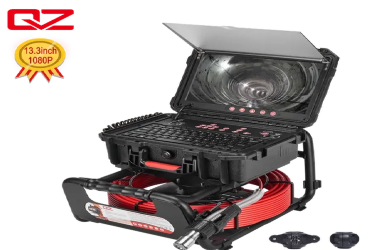
The price of sewer drain cameras depends largely on their functionality. Higher-end models, designed for professional use, offer superior features like high image quality, longer cable lengths, and greater depth for more detailed inspections. These cameras are built for durability and precision in challenging environments like industrial and municipal systems, which justifies their higher cost.
Cameras designed for residential use are generally more affordable, typically costing between $100 and $500. These are suited for basic plumbing inspections. In contrast, industrial or municipal cameras are built for more complex tasks, with features like longer cables and advanced construction, pushing their price range upwards of $2,000.
Additional features like video recording, Wi-Fi connectivity, and real-time streaming raise the cost of sewer drain cameras but offer added convenience. These enhancements are particularly useful for professionals who need to document, share, or remotely access inspection results, providing greater efficiency in large-scale projects or ongoing maintenance.
Investing in a high-cost sewer camera makes sense when you require frequent use and need to tackle more complex jobs. Professional plumbers, municipal services, and industrial inspectors will benefit the most from high-end models due to their advanced features and durability. These cameras offer high-resolution images, longer cables, and superior maneuverability, making them essential for inspecting large, intricate plumbing systems or dealing with difficult-to-reach pipes in commercial or industrial environments. If your work involves large-scale projects or the need for reliable, repeatable inspections, the investment is worthwhile.
Pros:
Higher resolution and image clarity for accurate diagnostics.
Longer cables that can reach challenging areas like deep sewer lines or large industrial piping.
Durability and reliability, ideal for heavy-duty, regular use.
Advanced features such as video recording, Wi-Fi connectivity, and real-time data sharing for efficient workflow.
Cons:
Higher initial cost, making it a significant investment.
Upkeep and maintenance costs can be higher due to advanced technology.
May be overkill for occasional use, where simpler models might suffice.
For those who only need a sewer camera occasionally or for smaller jobs, renting a high-end model or purchasing a more affordable, entry-level camera might be a better option. Budget cameras are often sufficient for routine inspections, offering decent image quality and basic features at a much lower price point. Renting a high-cost camera for specific, complex projects also eliminates the burden of ownership and maintenance, making it a flexible choice.
For personal or DIY use, sewer drain cameras typically range from $100 to $300 for entry-level models. These are ideal for occasional home inspections, offering basic features like small cable lengths and lower resolution. They may not have the advanced features of professional models, but they are a cost-effective choice for homeowners dealing with minor plumbing issues.
A well-maintained sewer camera can last 3 to 5 years, depending on the quality, usage frequency, and maintenance. Higher-quality models may last longer, while proper care can extend the life of any camera. Harsh conditions like extreme temperatures or corrosive environments may reduce lifespan.
Renting a sewer drain camera is a good option for short-term needs. Rental costs range from $50 to $200 per day. It’s ideal for occasional inspections, but frequent use may make purchasing a camera a more economical choice in the long run.
In addition to the purchase or rental cost, there are potential ongoing expenses for maintenance, repairs, replacement cables, and batteries. For high-end models, software updates or accessories may also add to the cost. Regular maintenance helps extend the camera's life, but it's important to factor in these additional costs when planning your budget.
Sewer drain cameras are indispensable for effective plumbing inspections, and their cost can vary widely depending on the model, features, and intended usage. Entry-level cameras, typically priced between $100 and $300, are well-suited for occasional home use or basic inspections, offering sufficient functionality for identifying simple blockages or minor pipe issues. Mid-range models, ranging from $500 to $1,500, provide enhanced capabilities such as longer cable lengths, higher-resolution imaging, and additional features that improve accuracy and efficiency during inspections. For professional plumbers, municipal service teams, or industrial applications, high-end sewer cameras can cost anywhere from $2,000 to over $10,000. These premium units are designed for heavy-duty use, offering superior durability, advanced imaging technology, and comprehensive features to handle complex or extensive pipe systems.
Several factors influence the price of a sewer drain camera, including its functionality, intended application, and technological advancements. Cameras equipped with video recording, wireless connectivity, or integrated monitoring systems generally carry a higher price tag but deliver significant value for detailed inspections and professional work. Choosing the right camera involves balancing budget considerations with specific needs. Whether you require a cost-effective device for occasional home maintenance or a professional-grade system for frequent, in-depth inspections, selecting the appropriate model ensures optimal performance, reduces operational downtime, and maximizes return on investment. Investing in a sewer drain camera that aligns with your inspection requirements ultimately saves time, improves diagnostic accuracy, and enhances the overall efficiency of plumbing maintenance.


