

Views: 0 Author: Site Editor Publish Time: 2025-10-17 Origin: Site


In modern plumbing, effective diagnostics are crucial for identifying and resolving issues quickly, minimizing the need for costly repairs. One of the most valuable tools in a plumber's toolkit is the plumbing inspection camera, also known as a pipe inspection or sewer camera. These specialized devices are designed to navigate inside pipes, drains, and sewer systems, providing real-time video footage of the internal condition of plumbing systems. By using these cameras, plumbers can pinpoint the exact location of issues such as blockages, cracks, or leaks, without having to perform invasive digging or destructive work. This allows for quicker, more accurate diagnoses, leading to more efficient and cost-effective repairs. The ability to visually inspect pipes and underground systems has revolutionized the plumbing industry, making it easier to assess problems without causing unnecessary disruption to property or plumbing infrastructure.
A plumber’s camera, also known as a pipe inspection camera or sewer camera, is a specialized tool used to inspect the interior of plumbing systems. It allows plumbers to examine pipes, drains, and sewer lines without the need for invasive methods like digging. The camera’s primary purpose is to identify and locate plumbing issues such as blockages, cracks, leaks, or corrosion. By providing real-time video footage, it helps diagnose problems more accurately and quickly, leading to faster, more efficient repairs.
Several types of plumber's cameras are commonly used:
Push Cameras: These are compact cameras with a flexible cable manually pushed through pipes. They are ideal for short-distance inspections in residential plumbing and drains.
Reel Cameras: Mounted on a reel with longer cables, these cameras are used for larger plumbing jobs, like sewer line or commercial system inspections.
Crawl Space Cameras: Small and lightweight, these cameras are designed for inspecting hard-to-reach spaces like crawl spaces or tight corners.
Robotic Cameras: High-end, motorized cameras for complex inspections in large or industrial systems. They offer automated movement and precise control.
Plumber’s cameras incorporate several advanced features:
High-Resolution Imaging: Modern cameras provide HD video for clear, detailed inspections, allowing plumbers to spot even minor issues.
Flexible and Durable Cables: The flexible cables navigate turns and bends in pipes, making them essential for comprehensive inspections. They’re built to withstand tough environments.
LED Lighting: Built-in lights ensure visibility inside dark pipes, enhancing the quality of inspections.
Real-Time Video Streaming: Many cameras offer live streaming to monitors or mobile devices, enabling immediate assessments and faster troubleshooting.
These advanced features make plumber’s cameras indispensable for efficient and accurate plumbing inspections.
Plumbing inspection cameras provide an efficient way for plumbers to check the interior of pipes, drains, and sewer systems without needing to dig or cut through walls. The camera is inserted through an access point and navigates through the plumbing system, capturing real-time footage of potential issues such as blockages, leaks, corrosion, and misalignments. This technology allows plumbers to accurately diagnose problems and choose the most effective repair solutions, saving both time and effort.
A plumbing camera consists of several critical components working in unison:
Camera Head: The camera head is small yet durable, housing the lens and sensors that capture high-resolution footage inside the pipes. It's designed to withstand harsh conditions, such as water, heat, and debris.
Flexible Cable: The cable is lightweight but strong enough to withstand wear and tear. It is long and flexible, allowing the camera to navigate through tight corners and long stretches of pipe.
Monitor: The monitor displays the real-time video feed captured by the camera. Some systems have an integrated screen, while others connect to external devices like laptops or tablets.
Lighting Source: Plumbing cameras come equipped with built-in LED lights to illuminate dark and narrow pipes, ensuring clear visibility even in poorly lit areas such as deep sewer lines.
The real-time video feed provides plumbers with a clear and immediate view of any issues in the pipes, such as blockages, leaks, or structural damage. This live feed enables plumbers to pinpoint problems accurately and make well-informed decisions about necessary repairs, all while minimizing the need for invasive digging or unnecessary disruption.
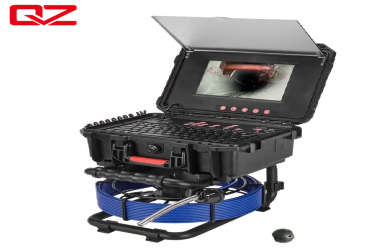
Plumbing cameras come in various types, each designed to meet specific needs based on the plumbing system's layout and inspection requirements. Below are the most commonly used types:
Rigid pipe inspection cameras are designed for larger, straight pipes, typically above 4 inches in diameter. They offer high-resolution footage and are ideal for applications where image clarity is crucial, such as inspecting sewer lines or industrial pipes. However, they lack flexibility, making them unsuitable for navigating pipes with many bends or twists.
Flexible pipe inspection cameras are the most common choice for plumbers. Attached to a long, flexible cable, these cameras can navigate tight, curved, or narrow pipes. They're effective for inspecting pipes between 1 to 4 inches in diameter, making them ideal for residential and commercial plumbing systems. Their flexibility allows them to follow the complex paths of pipes, providing valuable insights into blockages, leaks, or damage.
Mini inspection cameras are compact and portable, designed for tight, confined spaces. They are used to inspect small pipes, vents, or areas where larger cameras cannot reach. Despite their size, these cameras offer high-resolution images and are equipped with LED lights for better visibility. Mini cameras are often used for inspecting pipes smaller than 1 inch in diameter or for confined spaces like toilet traps.
Rigid Cameras: Best for large, straight pipes with high-resolution needs.
Flexible Cameras: Ideal for navigating complex plumbing systems with tight turns.
Mini Cameras: Perfect for inspecting small, confined spaces.
Each camera type has its strengths, and the choice depends on the pipe size, complexity, and required image detail.
A plumber’s camera, also known as a pipe inspection camera, offers numerous benefits that significantly enhance the efficiency and precision of plumbing inspections. Below are some of the key advantages of using this specialized tool:
One of the most significant benefits of using a pipe inspection camera is its ability to save time. Instead of digging up entire sections of the plumbing system to locate issues, plumbers can quickly pinpoint the exact location of blockages, leaks, or damage. This not only reduces labor costs but also speeds up the diagnostic process, allowing plumbers to work more efficiently and effectively.
A pipe inspection camera provides high-resolution, real-time video footage of the inside of pipes, drains, or sewer lines. This clear visual confirmation allows plumbers to accurately assess the issue, providing a level of detail that is impossible with traditional methods. Plumbers can inspect the condition of pipes, identify blockages, cracks, corrosion, and even root intrusion, ensuring that the right solution is applied.
The visual insights provided by a plumbing camera drastically improve diagnostic accuracy. Instead of relying on guesswork or trial-and-error approaches, plumbers can observe the problem directly and make informed decisions. This leads to faster, more effective solutions and helps avoid unnecessary repairs. Whether it’s a minor clog or a more serious structural issue, the camera ensures the problem is properly identified.
Traditional plumbing repair methods often involve unnecessary destruction of walls, floors, or landscaping in an attempt to access pipes. By using a plumbing camera, the exact location of the issue can be identified without disturbing the surrounding property. This minimizes the need for invasive excavation or demolition, saving both time and money while preserving the integrity of the property.
Explain that plumbing inspection cameras are commonly referred to as "sewer cameras," "drain cameras," or "pipe inspection cameras."
Discuss the price range of plumbing cameras, from budget models for DIY use to professional-grade cameras for plumbing businesses.
Explain how the camera allows plumbers to visually inspect the inside of pipes to find blockages, leaks, or cracks without unnecessary damage.
Discuss the option of renting a camera for short-term projects and the pros and cons of renting versus purchasing.
In conclusion, a plumber’s camera is a vital tool in modern plumbing, offering an efficient and accurate way to diagnose and address pipe issues. Its ability to provide real-time, high-resolution video footage allows plumbers to identify blockages, leaks, and damage without unnecessary digging or guesswork. By pinpointing the exact location of the problem, a pipe inspection camera saves time, reduces labor costs, and minimizes the risk of damaging property. Selecting the right camera for the specific job is essential for maximizing both efficiency and cost-effectiveness, ensuring that plumbers can deliver precise, long-lasting solutions. As plumbing systems become more complex, the value of using advanced camera technology in inspections will only continue to grow, making it an indispensable tool for both residential and commercial plumbing services.


