

Views: 0 Author: Site Editor Publish Time: 2025-10-31 Origin: Site


Sewer cameras and borescopes are both specialized tools used for inspecting hard-to-reach areas, each serving distinct purposes in various industries. These devices are equipped with high-resolution cameras, flexible cables, and built-in lighting to offer clear visuals of interior spaces that would otherwise be inaccessible. Their primary function is to identify issues such as blockages, cracks, leaks, or corrosion inside pipes, machinery, and other confined spaces. Borescopes are commonly used in industries like automotive, aerospace, and manufacturing for inspecting engines, pipes, or mechanical systems. On the other hand, sewer cameras are specifically designed for plumbing and drain inspections, enabling plumbers and maintenance professionals to visually assess the condition of sewer lines, pipes, and drains. Both tools enhance efficiency, reduce the need for invasive methods, and provide precise, real-time feedback on potential issues, making them indispensable in modern diagnostic and maintenance work.
A borescope is an optical inspection tool used to view and inspect the inside of confined spaces without the need for disassembly. It consists of a lens, a light source, and a flexible or rigid tube, making it ideal for accessing hard-to-reach areas like engines, pipes, or machinery.
Borescopes are commonly used in industries that require internal inspections:
Aviation: For inspecting aircraft engines and turbines.
Automotive: To examine engine parts, transmission systems, and exhaust pipes.
Manufacturing: For checking machinery and robotic systems.
Oil & Gas: To inspect pipelines and tanks for damage or blockages.
Lens: Provides detailed, high-definition images of internal surfaces.
Lighting: Integrated LED lighting illuminates dark, confined spaces.
Flexibility: Flexible borescopes offer the ability to maneuver around curves and obstacles, while rigid ones provide a more stable and clear view in straight paths.
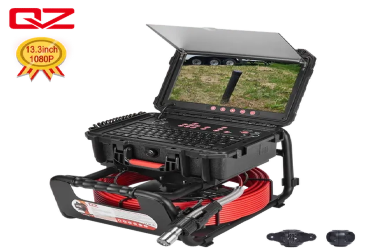
A sewer camera is a specialized inspection tool designed to visually inspect the interior of pipes, drains, and sewer systems. It consists of a high-resolution camera mounted on the end of a long, flexible cable, allowing it to navigate through various pipe sizes and lengths, capturing real-time footage for detailed analysis.
Sewer cameras are primarily used by professionals like plumbers and municipal services to:
Inspect and diagnose issues in sewer lines and drainage systems.
Locate blockages, cracks, corrosion, tree root intrusion, and other plumbing issues.
Conduct routine inspections to ensure proper functioning of plumbing infrastructure.
Verify the condition of newly installed pipes during construction projects.
Waterproof: Sewer cameras are fully waterproof, allowing them to withstand wet and dirty environments inside pipes and sewers.
High-Resolution Camera: The camera provides clear, detailed images that help pinpoint the exact location and nature of problems inside the pipes.
Long Cable: Equipped with a long, flexible cable, sewer cameras can navigate through pipes and drains that extend several hundred feet, ensuring thorough coverage.
Push Rod Design: The flexible rod allows the camera to bend around turns and obstacles in the plumbing system.
Borescope: Borescopes are typically smaller and more rigid, designed for inspecting confined spaces. They are often used for applications where space is extremely limited, such as inside engines, machinery, or aircraft. The rigid structure makes them ideal for direct, precise inspections in tight spots.
Sewer Camera: Sewer cameras, on the other hand, are built with longer, more flexible cables that allow them to navigate through long pipes, drains, and sewers. The flexibility ensures the camera can maneuver around bends and obstacles typically found in plumbing systems, providing comprehensive inspection capabilities.
Borescope: Borescopes are versatile and general-purpose tools used in a wide range of industrial sectors. They are commonly employed for inspecting car engines, machinery, aircraft, and even pipelines. Their use is not specific to any single industry but rather spans various fields requiring detailed internal inspections.
Sewer Camera: Sewer cameras are specialized tools primarily used for inspecting plumbing, drains, and sewer lines. They are invaluable for plumbers, municipal services, and construction projects, allowing for non-invasive examination of underground systems to identify blockages, leaks, and other structural issues.
Borescope: While borescopes are robust, they are typically not designed to withstand harsh environments. Many borescopes are not waterproof, making them unsuitable for use in wet or corrosive conditions. They are more tailored to inspecting machinery or engines where environmental protection is less of a concern.
Sewer Camera: Sewer cameras are built for tough environments. They are waterproof, durable, and designed to resist the corrosive conditions common in plumbing systems. The cameras can withstand water, dirt, and debris, ensuring reliable operation even in the harshest conditions found inside pipes and sewers.
Borescope: Borescope cameras are generally smaller with lower resolution, as they are designed for short-range inspections. They are useful for pinpointing issues in confined spaces but may not offer the long-distance clarity required for larger-scale inspections. Some borescopes lack LED lighting, limiting visibility in dark or poorly lit areas.
Sewer Camera: Sewer cameras, by contrast, typically feature higher resolution cameras that capture clear, high-definition images over long distances. Many sewer cameras come equipped with built-in LED lights, ensuring that even in dark, subterranean environments, visibility remains optimal for precise inspections. This feature allows sewer cameras to identify issues clearly, even several hundred feet underground.
A borescope is a versatile tool that is best suited for inspecting mechanical parts, engines, and industrial systems where access to internal components is limited. Its rigid or flexible design allows it to reach narrow, confined spaces, making it ideal for:
Engines and Machinery: Borescopes are commonly used in automotive and aerospace industries to inspect internal engine parts, turbine blades, or other machinery components. Their small size and flexibility make them perfect for getting into tight spots without disassembling the equipment.
Industrial Systems: When inspecting complex industrial machinery, such as pipelines, pumps, or motors, borescopes provide an efficient way to identify issues like corrosion, wear, or blockages without requiring the dismantling of entire systems.
Aerospace and Aviation: Borescopes are essential tools for inspecting aircraft engines, airframes, and other critical components. They help ensure the safety and integrity of these high-performance systems by detecting problems that may not be visible from the outside.
A sewer camera is specifically designed for use in plumbing and sewer inspection. It excels in applications where access to underground or hard-to-reach plumbing systems is required. Its longer, more flexible cable allows for deep penetration into pipes and drains, making it ideal for:
Plumbing Professionals: Sewer cameras are indispensable tools for plumbers. They are used to inspect the inside of drain pipes, sewage lines, and septic systems. Plumbers can easily identify blockages, leaks, or cracked pipes without digging up the system, which saves both time and labor costs.
Maintenance Teams: Sewer cameras are widely used by municipal maintenance teams for inspecting large-scale sewer systems. The ability to view the condition of pipes in real-time allows teams to assess the need for repairs, upgrades, or replacements without unnecessary excavation.
Homeowners and Property Managers: For individuals needing to check for clogged drains, sewer line issues, or root intrusions, a sewer camera offers a non-invasive solution. It allows for a quick diagnosis of plumbing issues, helping homeowners and property managers avoid costly repairs and disruptions.
A borescope is typically rigid and smaller in design, suited for internal inspection of machinery and engines, while a sewer camera has a long, flexible cable and is specifically designed to navigate the bends and curves of pipes.
While a borescope can be used for pipe inspection, it is not as effective or efficient as a sewer camera, which is specifically designed for navigating pipes and drains.
Yes, sewer cameras are designed to be waterproof and can withstand the harsh conditions found in plumbing systems and sewers.
While a borescope can be used for plumbing inspections in some cases, a sewer camera is the better tool for this job due to its long, flexible cable and ability to capture high-resolution images in wet, corrosive environments.
In conclusion, both borescopes and sewer cameras serve important roles in inspection tasks, but they are designed for very different applications. A borescope is perfect for inspecting small, confined spaces like engines, machinery, and industrial systems, where precision and flexibility in tight spaces are critical. On the other hand, a sewer camera is specifically designed for larger-scale inspections of drainpipes, sewers, and plumbing systems, with features that allow it to withstand harsh, often wet environments. The main differences between these two tools lie in their design, with borescopes offering smaller, more rigid probes suited for detailed internal inspections, while sewer cameras feature longer, more flexible cables capable of navigating through lengthy, twisting pipes. Choosing the right tool ultimately depends on the nature of the inspection—whether it’s a detailed check of mechanical parts or a large-scale plumbing system. By selecting the right equipment, you can ensure more efficient and accurate inspections, saving time, reducing costs, and enhancing the overall reliability of the system being inspected.


