

Views: 0 Author: Site Editor Publish Time: 2026-11-26 Origin: Site


A straightforward residential sewer camera inspection can take roughly half an hour to an hour and a half, but the booked visit may be longer when access, cleaning, locating, or additional pipe sections are involved. Treat that range as a planning reference, not a guaranteed completion time. Confirm what the provider includes before scheduling.
The useful distinction is between time spent viewing the pipe, the complete site visit, and delivery of the final report. A short camera run can still require preparation and documentation. A difficult blockage can also stop progress before the intended inspection endpoint is reached.
Key takeaways
Ask separately about the expected site visit and report delivery.
Pipe length is only one factor; access and visibility can determine the schedule.
Cleaning, ground locating, and multiple entry points can add separate work.
A complete inspection is defined by usable evidence and stated coverage, not by speed.
For an accessible single residential line, roughly 30–90 minutes can be a useful initial planning allowance. It applies to straightforward work and must be checked against the provider’s scope. It is not a guaranteed duration or a timing rule for commercial surveys, blocked pipes, or projects requiring additional services.
When booking, describe the actual task. A recurring blockage investigation, a pre-purchase condition review, and a multi-branch commercial survey can all involve a sewer camera, but they require different coverage and records.
Inspection situation | Main scheduling issue | Confirm before the visit |
|---|---|---|
Accessible single line | Setup, viewing, return inspection, explanation | Which endpoints and records are included |
Blocked or dirty line | Whether useful visibility can be obtained | Cleaning scope and reinspection arrangements |
Fault requiring surface location | Repeated camera stops and receiver work | Whether locating and marking are included |
Multiple branches or entries | Repeated setup and separate records | Which branches and access points are in scope |
Formal condition report | Review, images, notes, and report preparation | Report format and delivery date |
The inspection begins before the camera enters the pipe. The operator needs to understand the symptoms, identify a suitable entry, and confirm the equipment fits the accessible pipework. Setting up a stable work area and checking recording also takes time.
During the camera run, the operator advances at a pace that allows useful observation. Pauses may be needed to adjust lighting, clean a contaminated lens, examine a joint, or note a defect. Fast movement that produces blurred or incomplete footage does not provide a better inspection.
Retrieval can provide an opportunity to examine previously noted features and confirm records. Afterward, the operator may need to save files, label sections, explain findings, and clean the equipment. None of those tasks is represented by the camera's maximum cable length.
If the provider also produces a written report, distinguish basic on-site notes from a reviewed deliverable. A formal report can include selected images, location references, limitations, and recommendations that take additional preparation after the visit.
For the overall sequence, the sewer inspection process explains how preparation and evidence gathering fit around the camera run.
A cleanout that is easy to identify and reach can simplify setup. An entry hidden beneath stored items, vegetation, or an inaccessible structure can change the plan. Do not assume locating or creating access is included in a basic camera appointment.
Tell the provider what access is known before arrival. If an alternative entry may require fixture removal or other work, ask how that will be assessed and authorized. Homeowners should not remove unfamiliar sewer caps or fixtures simply to save appointment time.
More pipe can mean more viewing and documentation, but distance alone does not predict duration. A straight accessible run may be simpler than a shorter line with several bends and junctions.
Each additional section may require a new entry, a fresh distance reference, and separate file identification. Specify whether the assignment covers only the main lateral or also internal branches and other drainage lines.
A camera cannot produce a useful view of a surface hidden by opaque water or deposits. It may also be unable to pass a complete obstruction. The operator may need to withdraw, clean, change the approach, or document an inspection limit.
Do not treat repeated attempts to push through an obstruction as inspection progress. A safe stopping point with clear records can be the correct result when access or visibility prevents further assessment.
Ground locating requires the camera to stop while the operator confirms the transmitter position with a receiver. Multiple marks, difficult site access, or uncertain signals can require further checks.
Detailed image capture also takes time. A customer requesting marked defect positions, annotated footage, and a structured condition report is asking for more than a quick live view.
Cleaning is appropriate when deposits or blockage prevent meaningful viewing or passage, but it is not automatically required for every inspection. The operator should decide from the condition, task, and access rather than applying a fixed rule.
Sometimes an initial camera view helps establish what cleaning or further investigation is appropriate. In other situations, no useful image is possible until flow or deposits are addressed. These are different workflows and can require different bookings.
Ask whether cleaning equipment will be present, whether that work is included, and whether reinspection will occur during the same appointment. If cleaning is arranged separately, the final inspection date may depend on that work being completed first.
In a hypothetical case, an operator reaches a deposit that blocks the view and records the stopping point. Cleaning is then performed under a separate scope, followed by a new camera pass. Calling the entire process “a camera inspection” without explaining those stages makes the original time estimate misleading.
Provide the information that changes the work plan: recurring symptoms, affected fixtures, previous cleaning, known repairs, available drawings, and the location of known access points. Photographs of the access area can help the provider decide what equipment to bring.
Keep the approach to the work area clear. Coordinate access to locked rooms, yards, or shared facilities. For commercial sites, agree on working hours and any restrictions that affect equipment setup or drainage use.
State whether the task is diagnosis, condition documentation, or post-work review.
Identify known access points without opening unfamiliar fittings yourself.
Ask whether water use should pause during parts of the inspection.
Confirm who will receive the findings and whether they need to be on site.
Request the desired video and report format before the work begins.
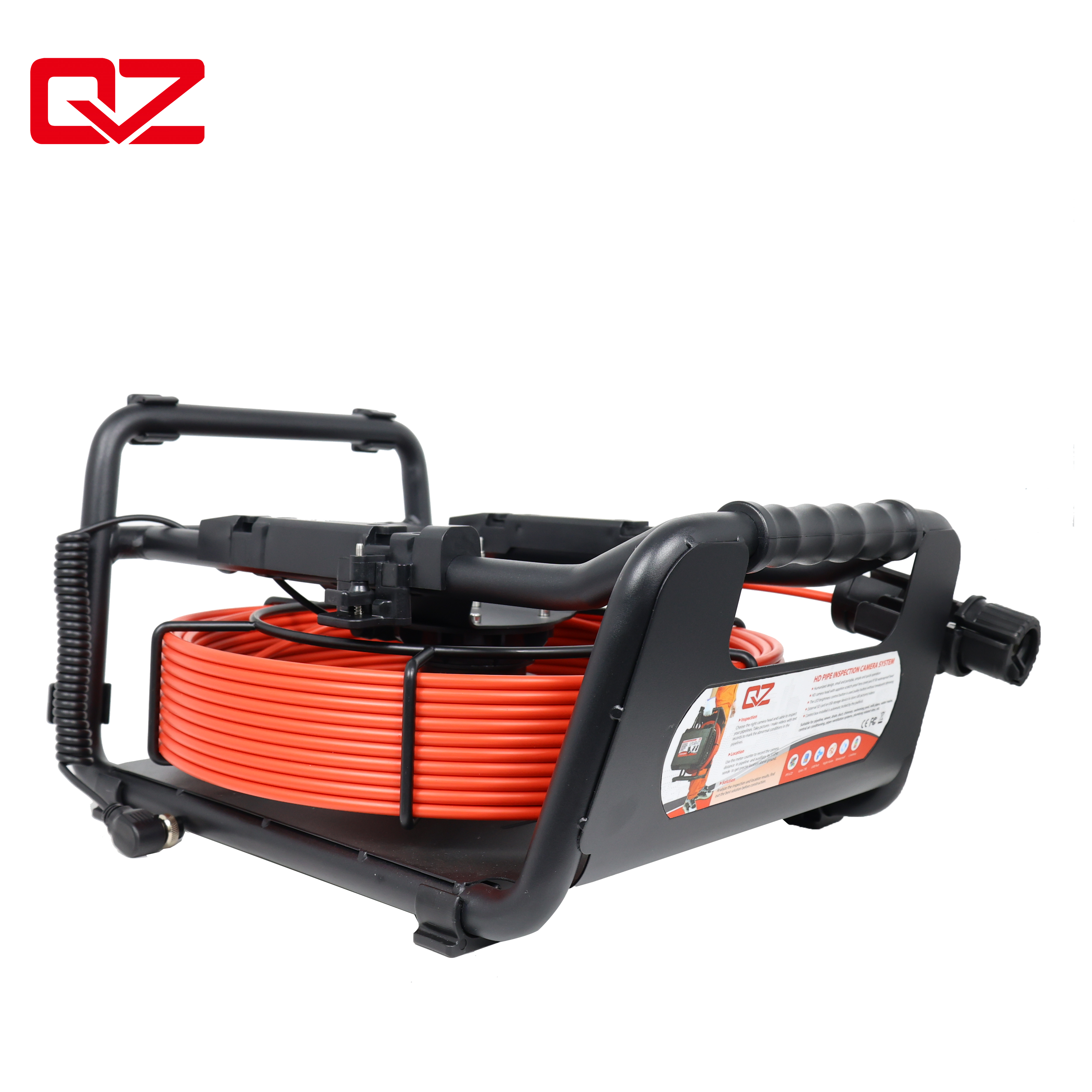
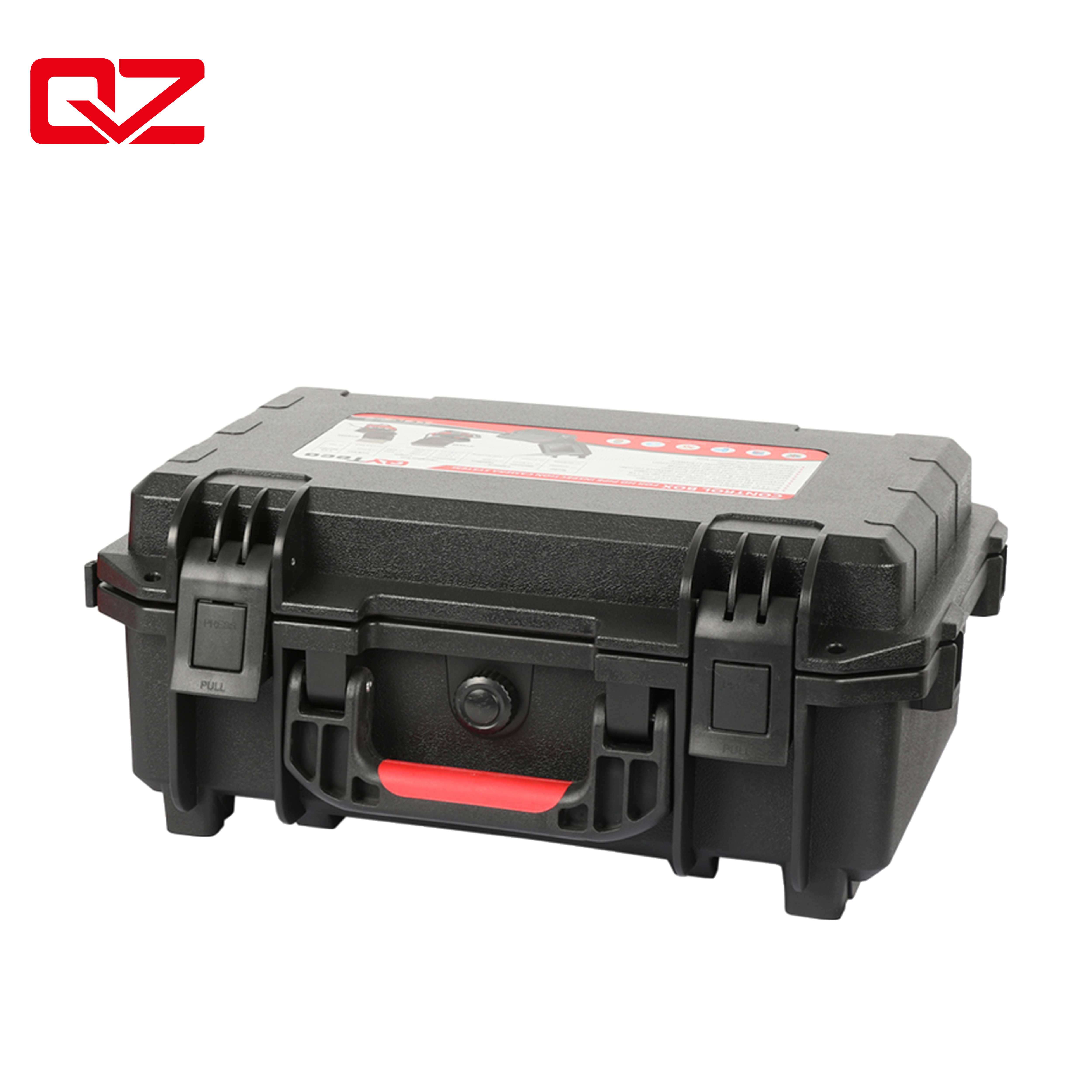
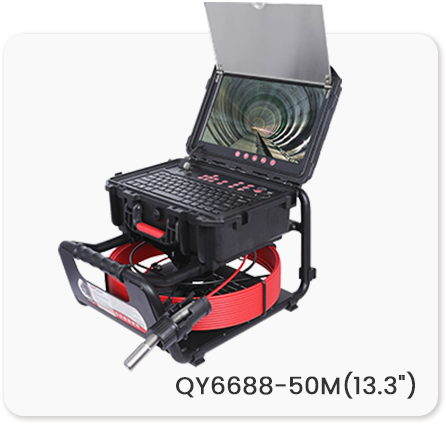
For equipment owners, matching the camera to the pipework also helps planning. QYTeco's push-rod inspection camera is one configuration to assess against head access, cable requirements, and evidence capture. Equipment choice supports the workflow but does not guarantee a fixed inspection duration.
Ask the provider to define the start point, intended endpoint, included branches, cleaning allowance, locating scope, and reporting deliverables. The quotation and schedule should refer to the same scope.
Also agree on what happens if the camera cannot proceed. A useful outcome includes the entry used, the last interpretable position, why the inspection stopped, and the proposed next step. An incomplete survey should not be presented as confirmation that the unviewed pipe is clear.
If a formal report is needed for a purchase, repair plan, or maintenance record, allow for review time. Request the delivery date explicitly rather than assuming a live explanation means every file will be ready immediately.
A sewer camera inspection schedule should reflect access, visibility, required coverage, and deliverables. A straightforward residential job may fit within a relatively short visit, while cleaning, locating, or multiple sections can extend the work substantially. QYTeco, a supplier of inspection camera systems, provides equipment for this work; appointment scope and timing belong to the inspection provider. For a reliable booking, ask the inspection provider to separate camera work, additional services, and report delivery, and judge completion by the quality and limits of the evidence collected.
Follow the operator's instructions. Water use may need to pause to improve visibility, while controlled flow may be useful for a specific observation. Agree on the requirement before the camera run.
They may require separate camera runs and records. Ask whether these are included in one appointment and whether the resulting coverage overlaps or reaches different sections.
Only when the provider can perform the required work and it is appropriately scoped and authorized. A camera appointment does not automatically include repair equipment, materials, or additional labor.
Not by itself. Head access, pushing conditions, visibility, and recording requirements determine usable coverage. Extra cable length does not remove those constraints.


