

Views: 0 Author: Site Editor Publish Time: 2026-11-22 Origin: Site


Sewer cameras provide a view inside accessible drainage pipes, helping operators investigate symptoms, document conditions, and plan further work. Their practical benefits come from better evidence: seeing what is present, recording where an observation was made, and explaining what the inspection can and cannot establish.
That evidence can support cleaning, repair, and maintenance decisions, but a camera does not perform those tasks itself. The value depends on reaching the relevant section, obtaining a clear picture, and interpreting the footage appropriately. These ten benefits show where inspection equipment can improve a working process and which conditions make the improvement meaningful.
Key takeaways
Visual evidence can narrow an investigation before more disruptive work is considered.
Recording and location references make findings easier to review and explain.
Before-and-after inspections can document visible changes in accessible sections.
Usable results depend on access, visibility, equipment selection, and interpretation.
A sewer camera gives the operator a direct view of surfaces that are otherwise concealed. Instead of relying only on a slow drain, a recurring backup, or a customer's description, the investigation can include visible evidence from the affected pipe.
The difference is practical. An operator can pause at a visible obstruction, examine the surrounding area, and record an image for later review. The observation can then be discussed separately from the suspected cause.
This benefit has a clear limit: only visible, reached surfaces can be assessed. Dirty water, deposits, an inaccessible branch, or a complete obstruction can restrict coverage. A useful report identifies those limits rather than treating the video as a complete view of the entire drainage system.
Similar drainage symptoms can arise from different conditions. Camera footage can help distinguish a visible foreign object from deposit buildup, root intrusion, or a displaced connection. That distinction can change what further work is sensible.
The operator should still separate observation from interpretation. A surface that looks greasy does not establish its precise composition. Standing water does not alone quantify pipe grade. Describing what is visible first makes the resulting recommendation easier to evaluate.
For a hypothetical recurring blockage, footage might reveal an object at one position and deposits elsewhere. Treating those as separate findings can produce a more focused investigation than assigning the same explanation to every symptom.
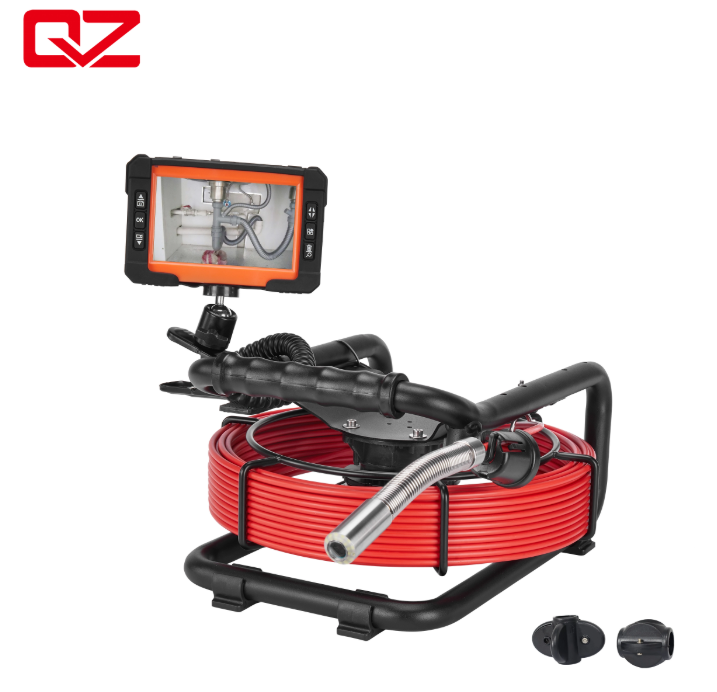
Existing entries can allow the interior of a pipe to be examined without exposing the full run. This can inform whether excavation is needed and which area requires more attention.
The benefit is avoiding an uninformed starting point. A camera may show that the accessible section needs cleaning, reveal a visible structural concern, or establish that another diagnostic method is required. Each outcome can help define the next step.
It does not mean excavation can always be avoided. A collapsed section, unavailable entry, or need to examine the outside of the pipe can still require other work. Avoid treating non-excavation access as a guarantee of a non-excavation repair.
Inspection records can associate an observation with an entry point and a distance reference. When the system includes a suitable sonde and compatible receiver, the operator can also attempt to connect that inspection position with a surface mark.
These references serve different purposes. Cable distance helps return to an observed position along the run. A confirmed sonde locate helps identify the transmitter position above ground. Neither should be presented as a complete surveyed pipe map.
Location information becomes more useful when the report states the reference point, units, locating method, and any uncertainty. A precise-looking number without those details can be difficult for another team to use.
A preliminary view can help identify what is restricting the pipe and whether the visible pipe condition calls for caution. The cleaning provider can consider that evidence alongside pipe material, access, flow, and the capabilities of the available equipment.
Inspection should inform a cleaning plan rather than automatically select one tool. Deposits, roots, foreign objects, and visibly damaged pipework do not create identical working conditions. Where the camera cannot reach or see clearly, that uncertainty should remain part of the plan.
Sometimes cleaning must come first because no useful view is possible. In that case, a follow-up inspection can provide the evidence that the first pass could not obtain.
Footage can help identify the visible location and extent of a concern, allowing a repair discussion to focus on a defined section. It also gives a designer or service provider material to review before proposing further investigation.
Repair suitability requires more than an image. Pipe dimensions, material, access, structural condition, surrounding conditions, and the requirements of the proposed method may need separate assessment.
The benefit is a better-informed decision process. It is not a promise that every defect will support a localized repair or that footage alone establishes the correct engineering solution.
A post-work camera pass can document the accessible interior after an intervention. It may show remaining visible deposits, objects, or an area that needs closer review.
Before-and-after footage is most useful when the same section can be identified and the viewing conditions are comparable. Record the entry point and reference information, and explain when water or camera position prevents a fair comparison.
Visual review is one form of evidence. It does not automatically replace leak testing, dimensional checks, material verification, or other acceptance requirements specified for the work.
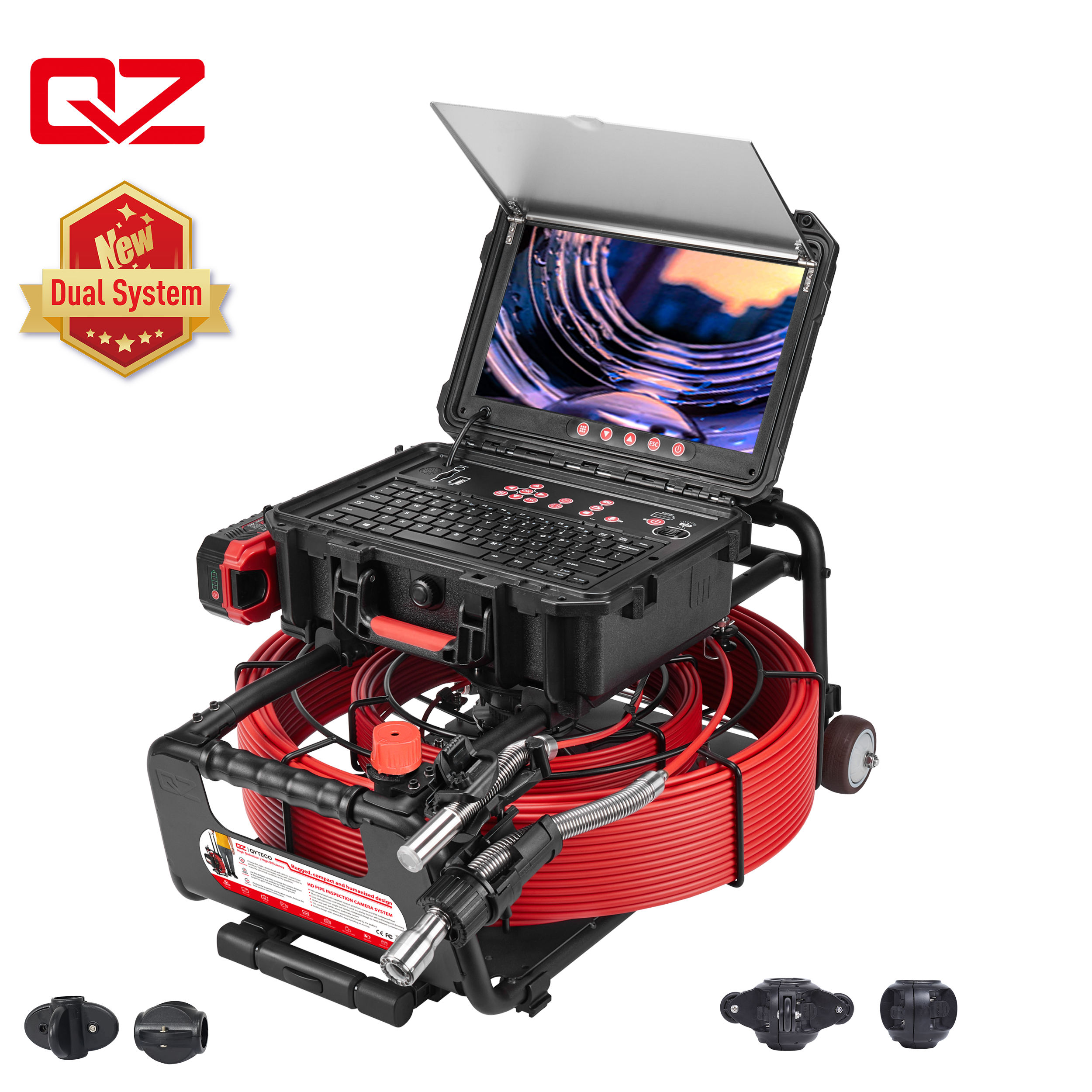
Stored video can provide a reference for later inspections. A maintenance team can compare a known section over time rather than depending on recollection or incomplete notes.
The files need context to remain useful. Include the date, inspected asset, entry, direction, distance reference, and any limitations. Keep original footage as well as selected screenshots where the recordkeeping process requires both.
A practical naming scheme is more valuable than a large collection of unidentified files. Teams should be able to retrieve the correct run and understand what was actually inspected without asking the original operator to reconstruct the job.
A short, relevant clip can make a drainage issue easier to understand than a technical description alone. The operator can point to the observation, explain its significance, and show why further action is being considered.
Good communication includes uncertainty. If the image suggests a concern but does not confirm the cause, say so. Explain inaccessible sections and the difference between visible condition and assumptions about the rest of the pipe.
For example, showing a customer the last clear view before an obstruction helps explain why a complete assessment was not possible. That is more informative than presenting an unfinished inspection as an all-clear result.
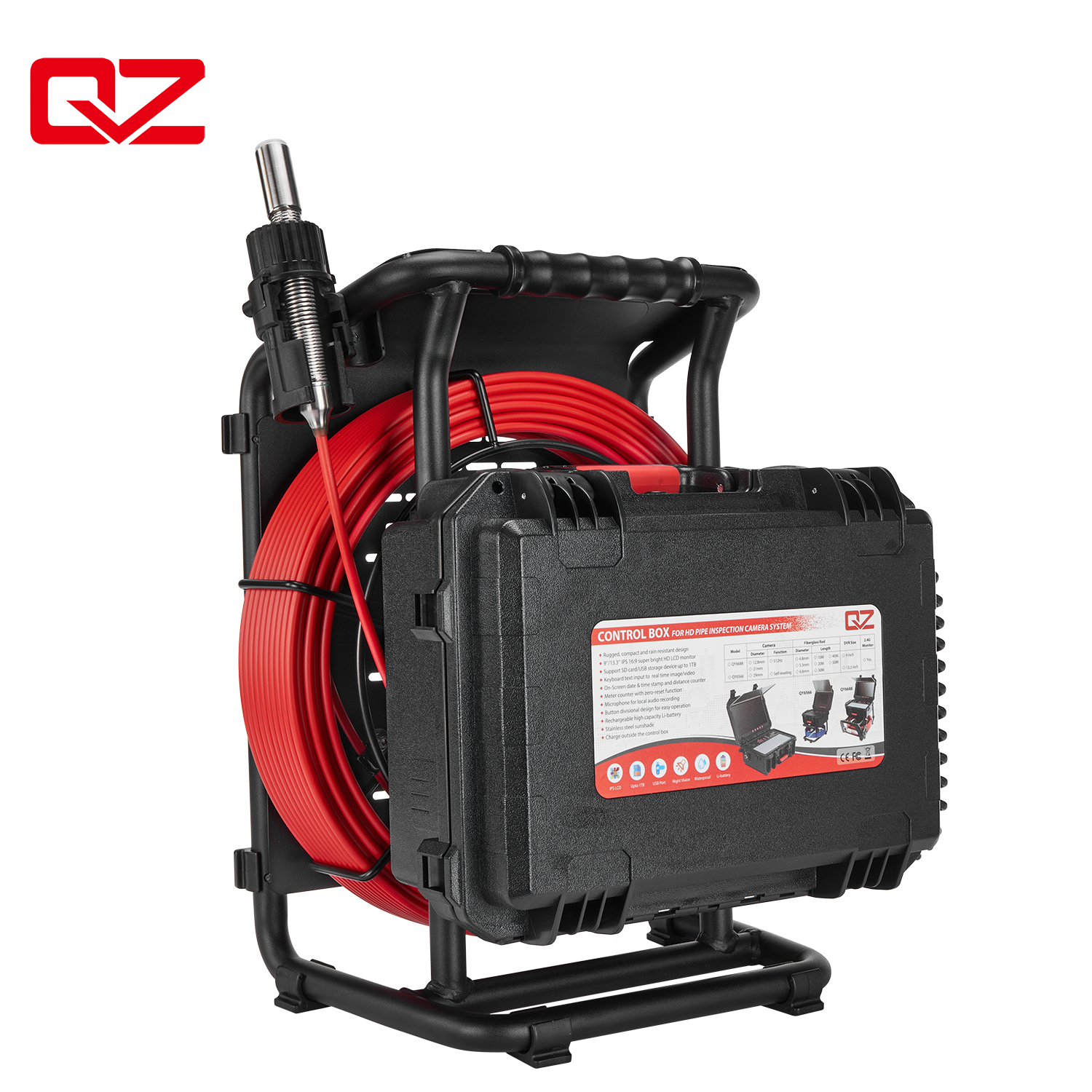
Repeat inspections become easier to compare when operators use a consistent workflow: identify the pipe, define the entry and direction, establish a distance reference, capture clear footage, and save the record under the correct asset. A suitable camera system supports that repeatable process across the jobs it is designed to handle.
Equipment ownership is useful only when it matches workload and capabilities. Buyers should compare expected applications, training, maintenance, storage, and access to service support. Occasional use may justify a different arrangement from regular field work.
QYTeco's sewer inspection camera system is one option to compare against a defined inspection requirement. The purchase decision should begin with pipe access and required evidence, not a list of unused features.
The useful result is an interpretable inspection record that supports a decision. Reaching a longer distance or recording more video is not sufficient if the footage cannot answer the original question.
Desired benefit | Condition needed | Evidence to retain |
|---|---|---|
Better diagnosis | Relevant area reached and visible | Clear footage and a separate interpretation |
More focused follow-up | Usable position references | Entry, distance reference, and locating notes where applicable |
Post-work review | Comparable access and viewing conditions | Matched before-and-after sections |
Maintenance history | Consistent identification and storage | Dated files linked to the correct pipe section |
Clearer customer communication | Representative images and explained limitations | Selected clips, findings, and unresolved questions |
The sewer camera detection guide explains visible problem types and assessment limits. For buying decisions, the camera selection guide helps connect those inspection tasks with equipment requirements.
The benefits of sewer cameras come from turning a hidden condition into usable evidence. Inspection can support diagnosis, cleaning plans, repair discussions, post-work review, and future maintenance when the relevant surfaces are accessible and visible. QYTeco is a supplier of sewer and drain inspection camera systems, but equipment capability is only one part of the result. Define the question, select a suitable configuration, and preserve clear records with honest coverage limits.
It can provide a dated condition record for accessible sections and support comparisons during later inspections. The maintenance plan should reflect asset condition and operating needs rather than a universal inspection interval.
No. Video is a visual method. Water tightness, exact grade, hidden external conditions, and other requirements may need separate measurement or testing.
Compare likely usage, the skills required, maintenance responsibilities, and alternatives such as rental or an inspection provider. There is no universal workload threshold that makes ownership appropriate for every buyer.
No. Costs depend on workload, equipment suitability, maintenance, staffing, and the services otherwise required. Any savings estimate should use the buyer's actual operating information.


