

Views: 0 Author: Site Editor Publish Time: 2026-11-24 Origin: Site


A 512 Hz sonde is a small transmitter that produces a signal a compatible receiver can detect above ground. In a sewer camera system, it helps an operator locate the transmitter's position inside an underground pipe. The camera provides the internal view; the sonde and receiver connect that inspection position with a surface location.
This distinction becomes useful when a recording shows a problem but the repair team needs to know where it is. Cable distance alone does not describe the route beneath a building or yard. A sonde adds a locating method, provided the equipment matches and the signal can be identified reliably.
Key takeaways
A 512 Hz sonde supports locating; it does not send inspection video or GPS coordinates.
The receiver must support the transmitter frequency and the appropriate sonde mode.
A location mark refers to the transmitter position, which may differ from the camera lens position.
Depth readings depend on correct pinpointing, equipment limits, and signal conditions.
The number 512 Hz identifies the operating frequency: 512 cycles per second. It does not describe camera resolution, battery capacity, or a guaranteed detection depth. Two systems with the same frequency can still differ in transmitter output, receiver performance, and practical application limits.
A sewer inspection system may contain a sonde in or near the camera assembly. A separate sonde can also be deployed using suitable equipment. The power source and activation method depend on the design: do not assume a camera-integrated transmitter uses the same battery arrangement as a standalone unit.
Before buying a camera described as “512 Hz compatible,” ask what that wording includes. It could identify a fitted transmitter, an optional configuration, or compatibility with an accessory. Confirm the delivered assembly and whether a receiver is included.
Component | Main task | What it does not establish alone |
|---|---|---|
Camera head and monitor | Show the visible interior of the pipe | The corresponding position above ground |
512 Hz sonde | Provide a detectable signal at its location | A GPS coordinate or complete pipe map |
Compatible receiver | Help pinpoint the sonde and, where supported, estimate depth | The condition of the pipe wall |
Cable distance counter | Display cable travel relative to a reference | True vertical depth or a surveyed underground route |
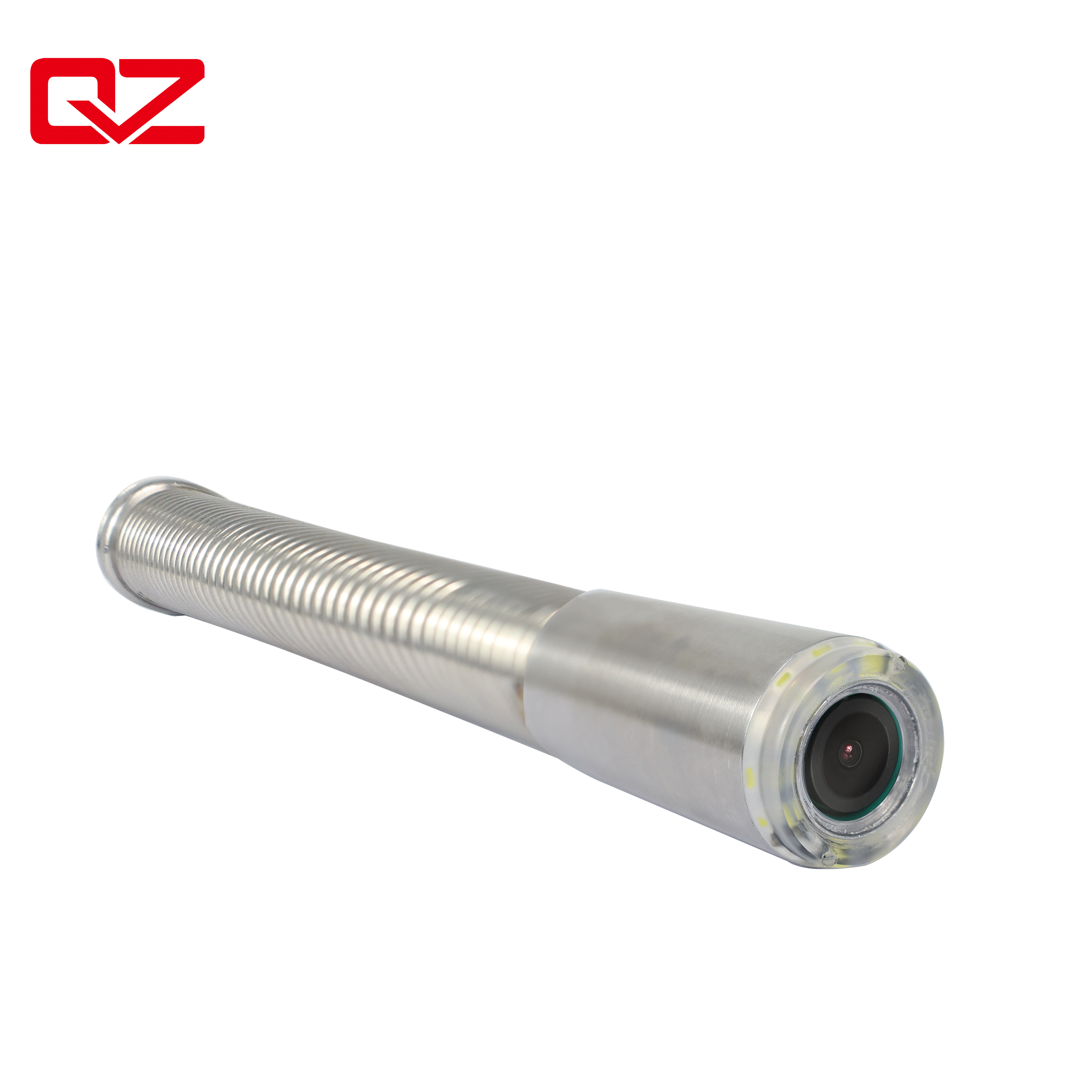
The energized sonde creates an electromagnetic field that a suitable receiver can detect. The operator uses the receiver's response to narrow down the transmitter position. This is an active locating task rather than a satellite connection.
Keep the camera stationary while pinpointing it. If one person continues advancing the camera while another tries to mark the position, the target moves and the observations no longer describe the same point.
Set the receiver according to its sonde-locating instructions. The frequency must match, and the mode must suit a sonde rather than a traced conductor. Receiver orientation and the meaning of its indicators are model-specific.
A sonde field can create responses away from the true main position. A strong response alone is therefore insufficient confirmation. Learn the receiver's prescribed method for distinguishing the main response from secondary or ghost responses.
Pinpoint the sonde before accepting a depth reading. Use the receiver's recommended confirmation procedure and repeat a questionable reading rather than averaging unexplained results. Record whether the instrument was on the ground or elevated and what reference its depth function uses.
A depth value is an instrument result under particular conditions, not an excavation guarantee. It should not replace required utility identification or site procedures before ground disturbance.
Sonde locating identifies a transmitter at a point. Line tracing follows a signal carried along a suitable conductor. Some receivers support both tasks, but their controls and interpretation can differ. Choosing a frequency on the screen does not necessarily select the right locating method.
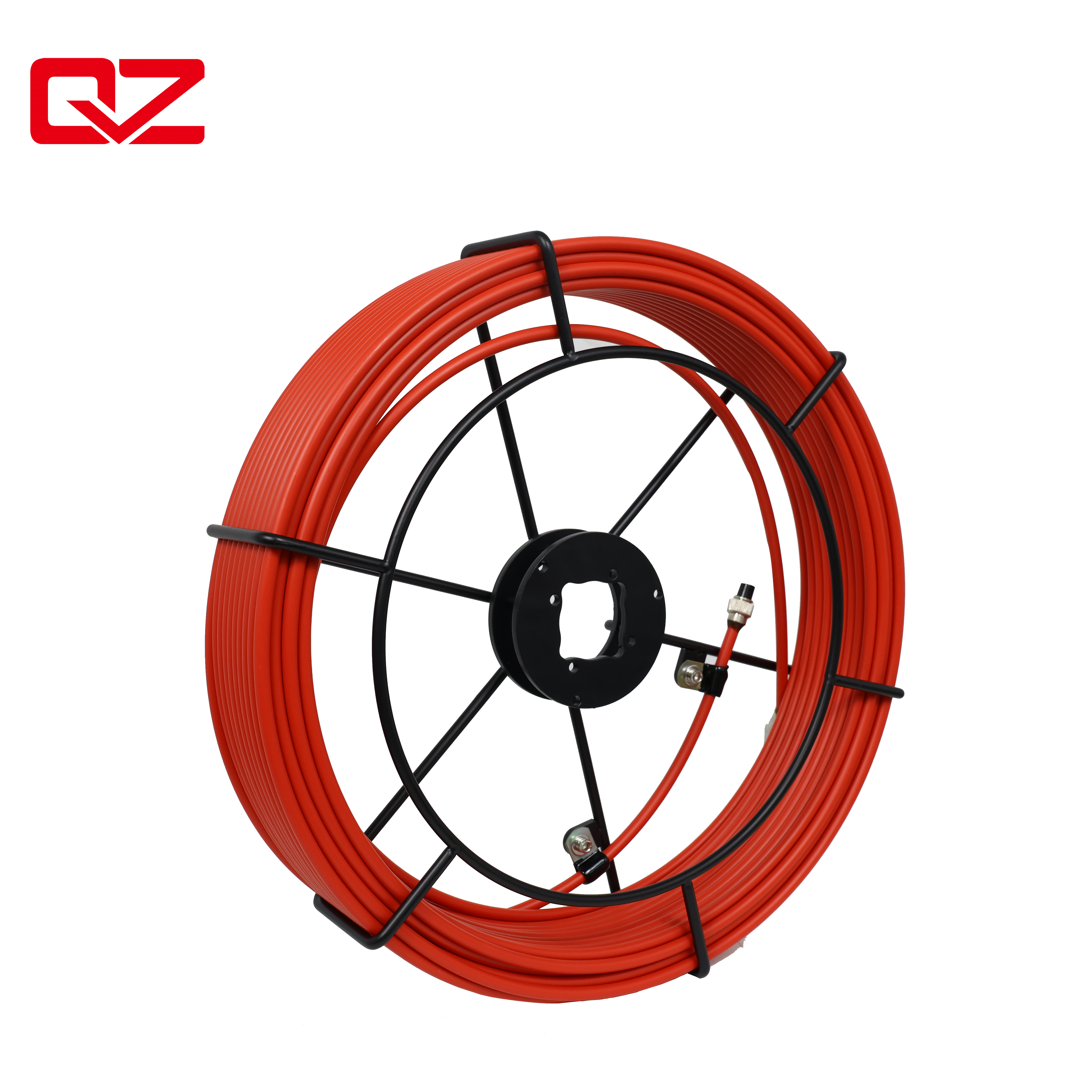
To investigate a pipe route using a sonde, stop the camera at successive positions and mark each confirmed location. The marks form a series of observations. They do not automatically reveal every bend, branch, or unvisited section between those observations.
Cable distance provides another reference. It helps associate a video observation with a position along the inspection, especially when the counter is zeroed at a defined entry point. It cannot by itself account for the exact underground geometry or determine vertical depth.
Consider a hypothetical job in which a camera sees an obstruction after passing several bends. The counter helps the operator return to that inspection position. A surface locate then helps identify where the transmitter is below the site. The report should retain both observations rather than turning either one into an unsupported surveyed coordinate.
Before marking a suspected defect, establish where the transmitter sits relative to the lens. If the sonde is behind the viewing point, the surface mark belongs to that transmitter position. Record the relationship instead of treating the locating result as the exact boundary of the defect.
Specify the camera, transmitter, and receiver as a working combination. A receiver may support some locating frequencies without supporting 512 Hz sondes. Conversely, a suitable receiver cannot detect a transmitter that is absent, disabled, or not powered.
Transmitter configuration: fitted or optional, location in the assembly, activation method, and power requirements.
Receiver compatibility: explicit 512 Hz sonde support and the required operating mode.
Mechanical fit: head, spring, skids, and connectors suitable for the pipe and bends.
Application limits: documented transmitter and receiver operating conditions.
Deliverables: whether the package includes only the camera system or also a locating receiver.
Test the actual pair above ground before the first inspection, using the manufacturers' procedures. Confirm that the receiver responds to that transmitter, that the operator can select the right mode, and that the activation state is understood.
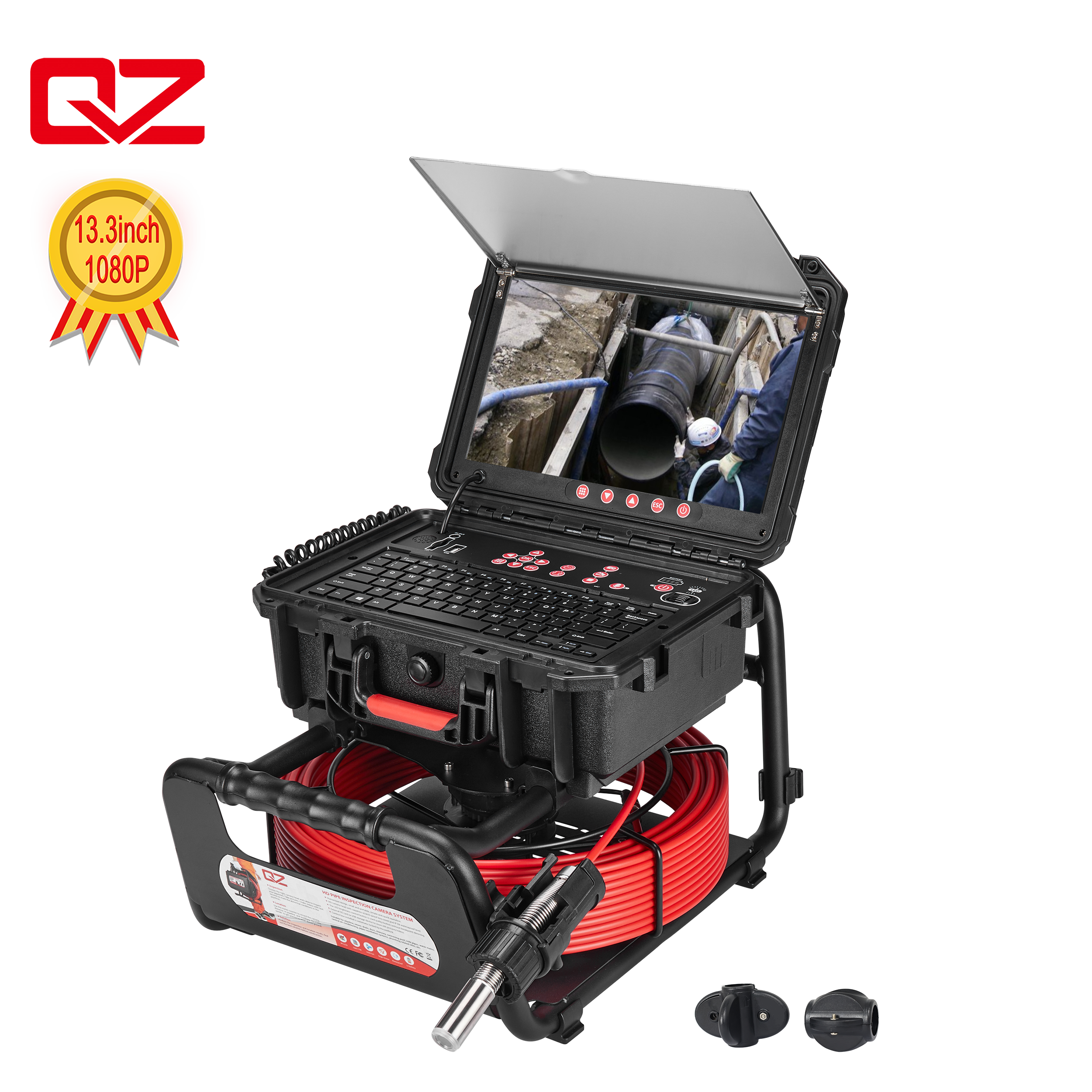
QYTeco's 512 Hz camera configuration includes an optional transmitter arrangement. Match the ordered configuration to the intended receiver rather than assuming the display itself performs ground locating.
Practical locating performance depends on the transmitter, receiver, target depth, nearby interference, and the installation environment. A frequency label alone cannot establish the maximum working depth for every site.
Pipe material and surrounding metal deserve particular attention. Ask the equipment provider about the actual pipe construction rather than relying on a broad claim that a low-frequency sonde works through every metal pipe. Where possible, validate the combination in representative conditions.
Changes in transmitter orientation can change the field response and interpretation. A camera passing a bend or resting at an angle may produce a different locating situation from a horizontal test on open ground. Follow the receiver instructions for tilted or uncertain targets.
When readings are inconsistent, check the basics again: camera stationary, transmitter enabled, correct frequency, correct mode, and suitable receiver battery condition. Then assess the surroundings and seek a second observation. Do not record a precise-looking depth merely because the instrument displays one.
For procurement, a representative demonstration is stronger evidence than an unqualified detection-distance claim. Define the pipe material, approximate installation depth, nearby infrastructure, and access limitations that matter to your work.
A sonde is valuable when the inspection needs to connect an internal observation with a location on the surface. Examples include marking a stopping point, returning to a suspected defect, or documenting positions along an accessible route.
If the work only requires internal viewing at an already known location, locating may be less important than head size, bend passage, image quality, or recording. Buyers should prioritize the task rather than treating every optional feature as essential.
For a mixed workload, write a short requirement: what must be located, under which materials and depths, and what evidence must be handed to the customer. Use that requirement to compare camera packages and receivers together. The broader sewer camera selection guide can help place locating alongside the other equipment requirements.
A 512 Hz sonde helps connect sewer camera footage with a surface position through a compatible locating receiver. Its value comes from the complete workflow: confirmed transmitter configuration, correct receiver mode, controlled pinpointing, and clear records. QYTeco, a supplier of inspection camera systems, offers configurations with locating options, but frequency is only one purchasing criterion. Select and test the actual equipment combination for the intended pipe environment, and keep position, cable distance, and depth as distinct observations in the inspection report.
No. It produces a local signal detected by a compatible receiver. Any mapping or coordinate recording requires additional equipment or software capabilities.
The sonde's locating signal does not carry the camera picture in this workflow. Video transmission and recording belong to the inspection system's separate imaging functions.
Confirm explicit 512 Hz sonde support, the correct mode, and compatibility with the actual transmitter. A frequency listed for another tracing function is not enough evidence.
It identifies the located transmitter position. Consider the transmitter's offset from the lens and the relationship between that position and the defect shown in the footage.


