

Views: 0 Author: Site Editor Publish Time: 2026-11-26 Origin: Site


A pan-tilt sewer camera lets the operator change the viewing direction. A self-leveling sewer camera helps maintain an upright image as the head rotates. Choose between them by deciding whether the job primarily needs controlled observation of a particular surface or straightforward interpretation of a forward inspection view.
These functions describe different capabilities, so they are not necessarily mutually exclusive. They also do not determine whether a system uses a push rod or a crawler. A useful comparison begins with the inspection task, then considers the complete head, deployment method, controls, and maintenance requirements.
Key takeaways
Pan-tilt changes where the camera looks; self-leveling changes how image orientation is presented.
Neither feature alone determines whether a head will pass a bend.
Detailed sidewall observation and routine forward surveys can have different equipment priorities.
Compare the complete inspection assembly, not just the function named in the product title.
Comparison | Pan-tilt | Self-leveling |
|---|---|---|
Primary function | Actively change viewing direction | Help keep the displayed image upright |
Operator input | Directional controls according to the head design | Orientation correction is normally automatic |
Inspection value | Look toward selected joints, walls, and details | Make forward footage easier to interpret |
Specification to verify | Movement range, controls, return-to-home behavior | Correction behavior and image performance |
Access considerations | Head dimensions, protective structure, deployment system | Head dimensions, spring, skids, push rod |
Important limitation | Movement does not guarantee a clear view of an obstructed surface | Upright footage does not provide active side-looking control |
The comparison should stay functional. A large self-leveling head can be less suitable for a tight bend than a smaller alternative, while some push systems offer pan-tilt options. Avoid treating either label as a complete description of the camera's size or transport method.
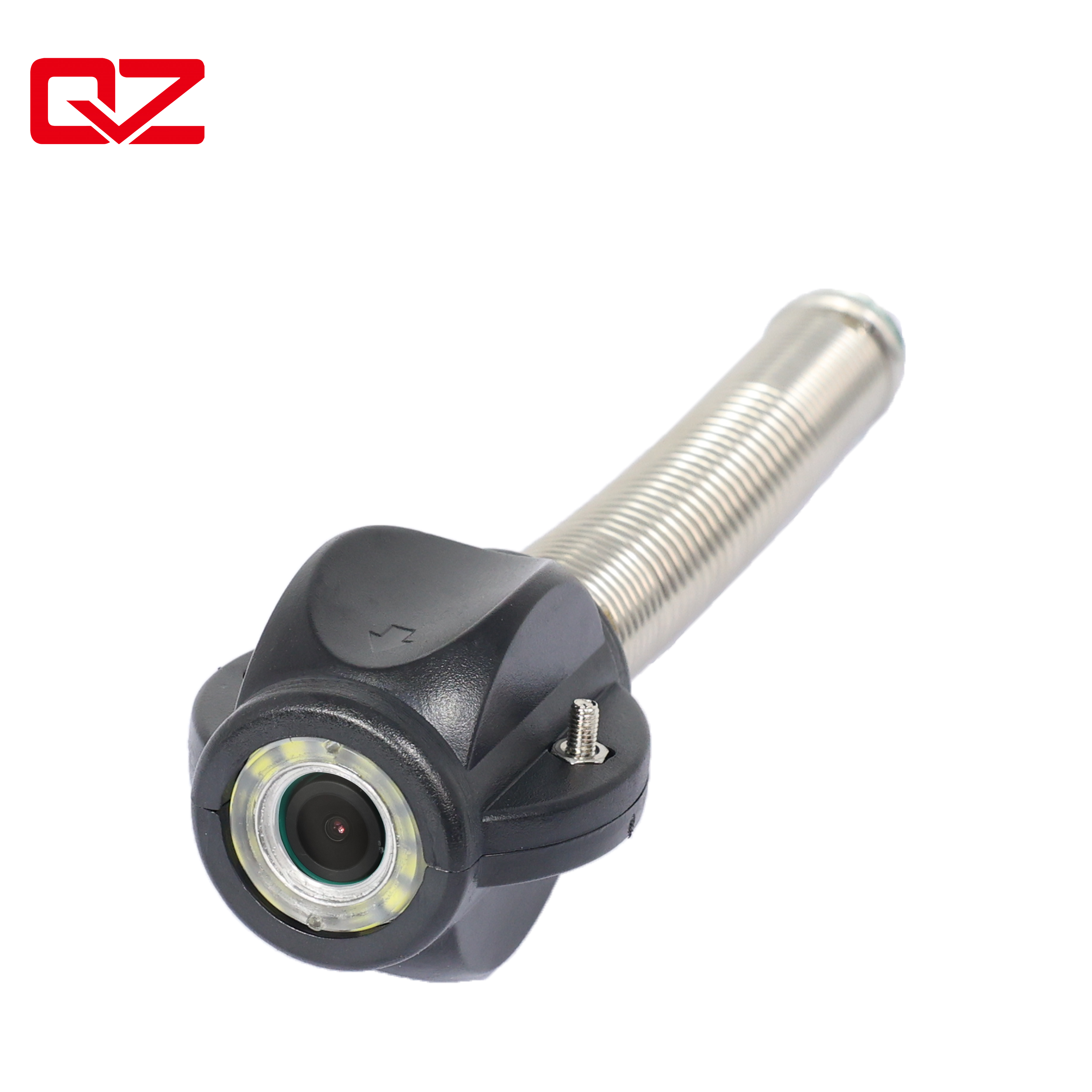
A self-leveling camera helps preserve a recognizable upright view while the assembly twists during inspection. This can make the footage easier to follow, especially when the cable rotates as the operator advances or retrieves it.
Image orientation matters during review as well as operation. A customer or maintenance planner may find a stable-looking view easier to understand than a rotating picture. It can also help an operator describe observations consistently, provided the orientation convention is known and the defect is visible.
However, an upright image does not prove the pipe has the correct slope, and it does not provide a surveyed angular position. If the report needs measured geometry or a formal defect orientation, use the appropriate inspection method and measurement capability.
Self-leveling also does not steer the camera through a junction. Head diameter, body length, spring flexibility, cable behavior, and pipe geometry determine passage. Ask for a demonstration in representative fittings when bend access is a purchasing concern.
QYTeco's self-leveling inspection camera is a relevant starting point for a push-camera comparison. Evaluate the specified configuration as a complete assembly rather than assuming the orientation function answers every access requirement.
Pan-tilt control lets the operator direct the view toward an area of interest instead of relying entirely on the forward-looking perspective. This can be useful when inspecting an accessible sidewall, a connection, or a joint that deserves a closer visual examination.
Check the actual movement range and control behavior. Product labels do not establish whether rotation is continuous, how far the camera can tilt, whether a home position is available, or how the system records the viewing direction.
Position remains important. A pan-tilt head pressed against the wall may not have a useful viewing angle or working distance. Appropriate centering and lighting can matter as much as the ability to move the lens.
Do not assume every pan-tilt head includes optical zoom. Optical zoom, digital enlargement, focus control, and directional movement are separate capabilities. Digital enlargement can make a feature larger on the screen, but it cannot reveal detail that was not captured clearly.
In restricted pipework, first establish that the head and its accessories can reach the inspection area and return. A function that improves observation has little value if the assembly cannot pass the necessary fittings.
Compare head length as well as diameter, and include the spring or articulation assembly. Test the intended skid arrangement too. Removing a skid to pass a fitting can change image position and protection elsewhere in the line.
Where the task requires deliberate examination of a sidewall or connection, pan-tilt can provide useful control. The operator can pause, direct the view, adjust illumination, and capture an observation from a more suitable angle.
A forward-looking self-leveling camera may still show substantial wall and joint detail. The question is whether its perspective is adequate for the required conclusion. Avoid purchasing additional complexity without identifying which observations it must improve.
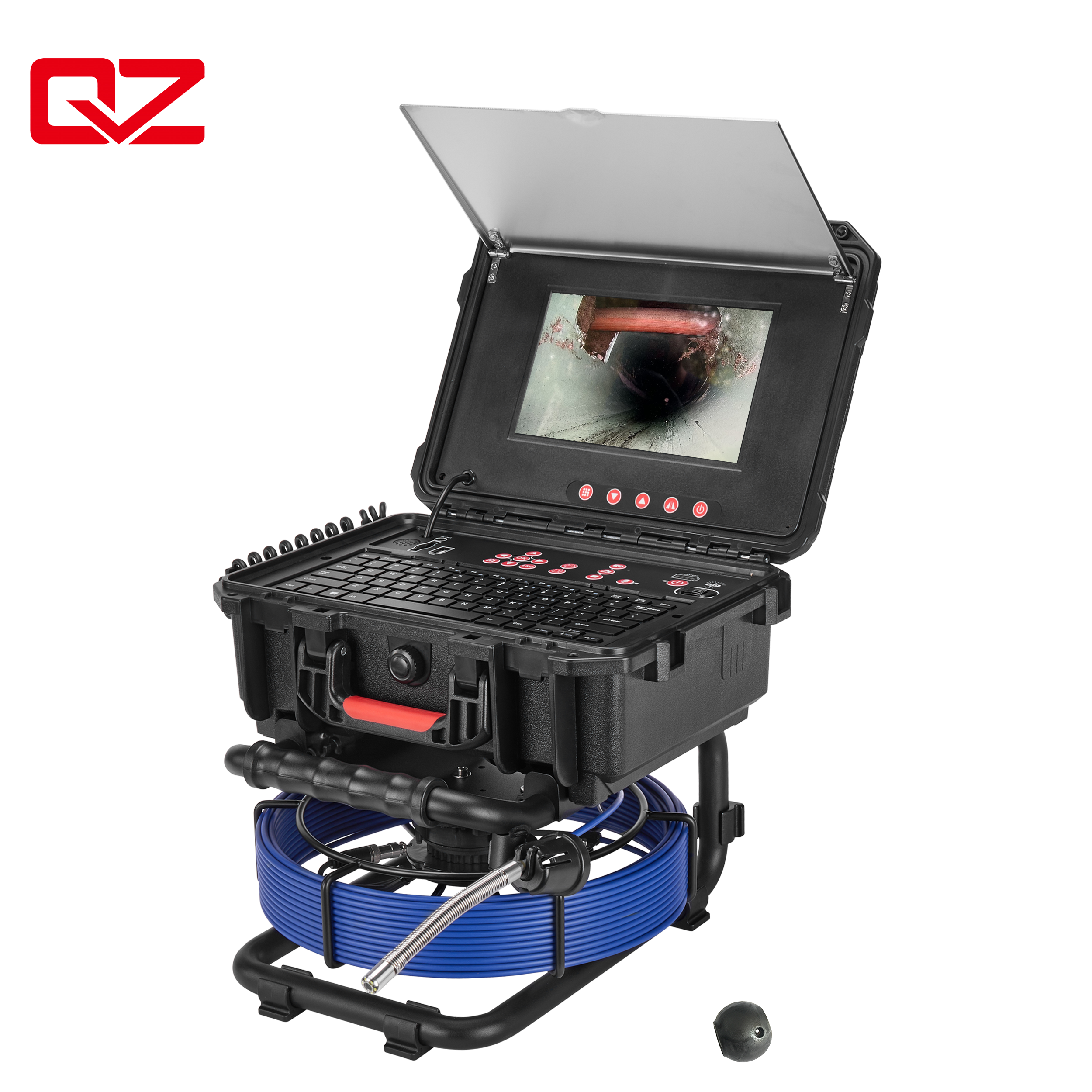
For routine inspections, an easy-to-interpret forward view can support consistent operation and customer explanations. Recording, distance references, file organization, and notes may contribute more to the final deliverable than adding directional controls.
For repeated maintenance surveys, prioritize consistent recordings, useful position references, and footage that another reviewer can interpret. A task focused on a lateral connection may instead require deliberate side-looking observation. Match the feature ranking to the evidence required by each job.
Active camera movement adds controls that operators must understand and use appropriately. Inspect how quickly they can return to a forward view and how the viewing direction appears in a recording.
Maintenance costs depend on the design and service arrangement, not just the feature category. Ask about replaceable assemblies, cleaning instructions, seal checks, diagnostic support, and repair turnaround. Avoid assuming every pan-tilt system costs more to maintain by the same amount.
Write the inspection objective before comparing specifications. “Inspect drains” is too broad. A more useful requirement identifies the pipe range, fittings, observation task, deployment distance, and evidence required by the customer.
Job priority | Capability to emphasize | What to verify |
|---|---|---|
Routine forward inspection | Clear imaging and useful orientation control | Visibility, head access, recording, operator handling |
Close examination of a connection | Controlled viewing direction | Head positioning, movement range, lighting, working distance |
Restricted bends | Access and retrieval | Complete assembly dimensions and representative bend trials |
Detailed repeatable reporting | Evidence capture and reference information | Notes, distance reference, orientation information, file export |
Mixed work | Configuration flexibility | Approved head options and full system compatibility |
Evaluate total ownership requirements alongside purchase price. Include the necessary monitor, controller, cable or transport system, lighting accessories, training, and service support. A lower-priced head can require additional equipment, while an advanced feature may be rarely used.
For a fair demonstration, ask each supplier to inspect comparable pipework and capture the same target. Compare the resulting evidence rather than promotional footage from unrelated environments. The sewer camera buying guide provides a broader framework for reviewing the system beyond head functions.
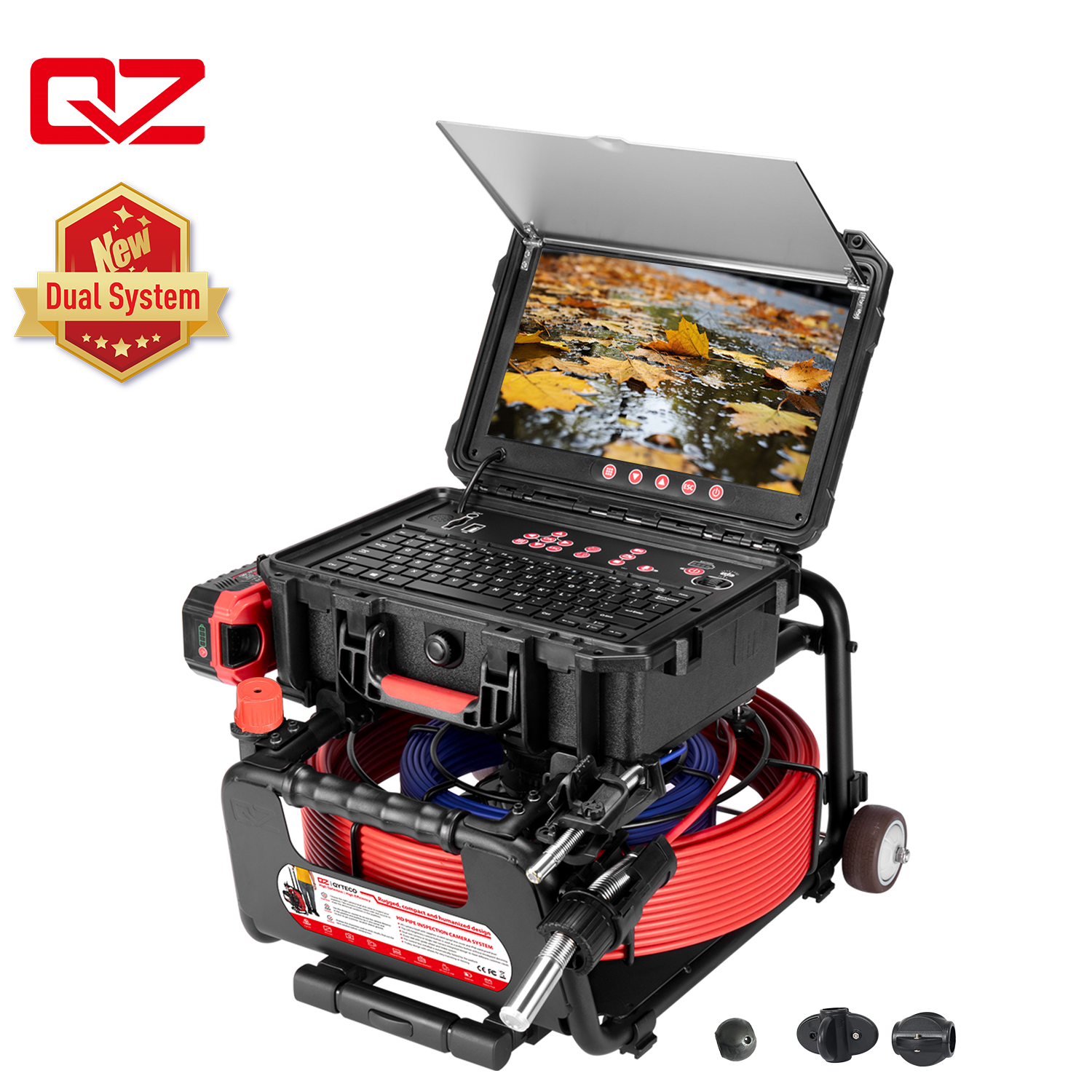
Because viewing direction and image orientation are separate tasks, a system can incorporate capabilities addressing both. Their availability and interaction depend on the specific design. Confirm how the image behaves while panning or tilting and what happens when the head returns to its forward position.
Also distinguish a combined head from a system accepting alternative heads. Interchangeability can be useful, but only if the monitor, controls, firmware, connectors, and deployment assembly support the selected configuration.
Before ordering alternative heads, request a configuration list showing what must change between them. Include the controller, accessories, storage arrangement, and any setup procedure. Confirm whether the operator can make the change in the field or whether service support is required. A system described as modular is most useful when the buyer understands the complete changeover process and can keep the necessary parts available.
The choice between pan-tilt and self-leveling sewer cameras should follow the inspection objective. Prioritize image orientation when straightforward interpretation of forward footage is the main need. Prioritize controlled viewing direction when the task requires looking deliberately toward particular surfaces. In both cases, verify access, lighting, recording, and service requirements as a complete system. The self-leveling configurations supplied by QYTeco can be assessed within that framework, using representative pipework and a clearly defined inspection result.
No. Self-leveling addresses image orientation. Image stabilization addresses apparent motion or shake. A specification for one should not be treated as proof of the other.
No. Digital zoom enlarges the captured view. Pan-tilt changes the viewing direction and can show a surface from another angle when the head position allows it.
No. Professional work includes many inspection tasks. Access, clarity, evidence requirements, operator efficiency, and maintenance can make a simpler configuration more appropriate.
The orientation function does not steer the head. Corner passage depends on the physical assembly, pipe geometry, and deployment conditions.


